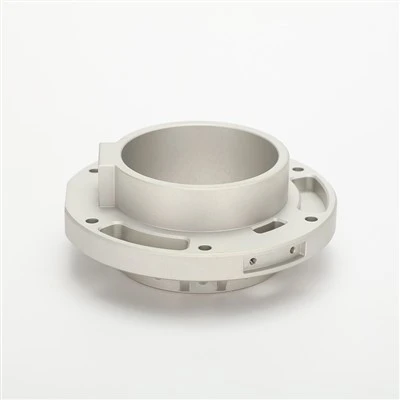
In the world of CNC milling, cutting fluids play a crucial role in ensuring efficient and high - quality machining operations. As a well - established CNC milling supplier, I have witnessed firsthand the importance of choosing the right cutting fluids for various CNC milling tasks. In this blog, we will explore the different types of cutting fluids used in CNC milling, their advantages, and applications.
Types of Cutting Fluids in CNC Milling
1. Water - based Cutting Fluids
Water - based cutting fluids are among the most widely used in CNC milling. They are further divided into three main sub - types:
a. Soluble Oils
Soluble oils are essentially emulsions of mineral oil in water. Usually, they come in a concentrated form, and the user dilutes them with water in a specific ratio (commonly 1:20 to 1:50). These cutting fluids offer excellent cooling properties due to the high specific heat capacity of water.
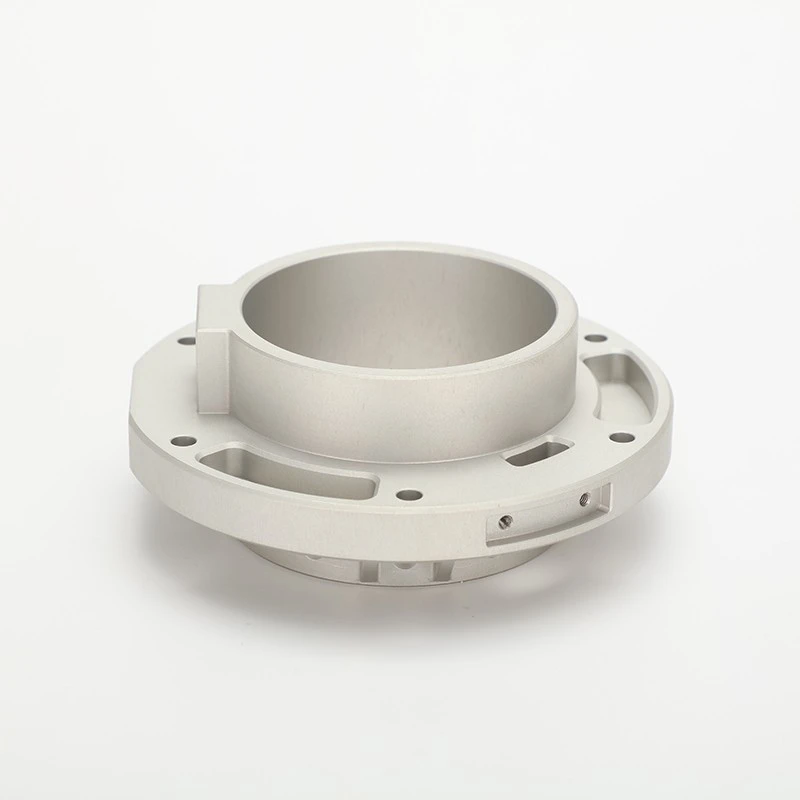
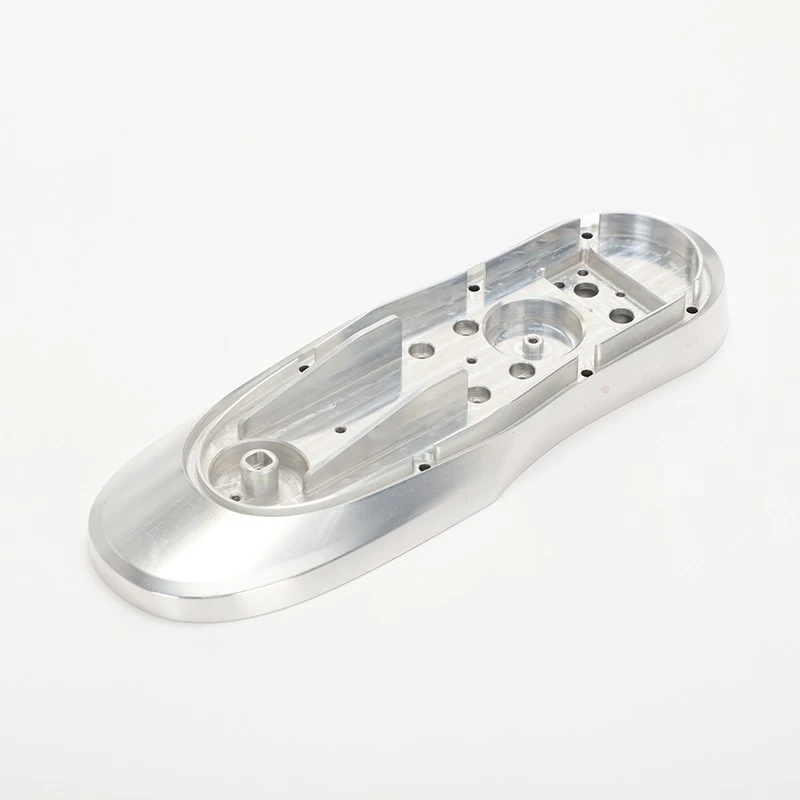
Soluble oils are great for general - purpose milling operations on a variety of materials such as aluminum, steel, and cast iron. They also provide a certain level of lubrication, which helps reduce tool wear and the formation of built - up edge on the cutting tool. When using soluble oils, it is important to maintain the proper concentration, as incorrect ratios can lead to issues like poor lubrication or corrosion.
b. Semi - synthetic Fluids
Semi - synthetic fluids are a blend of synthetic additives and a small amount of oil in water. They combine the best of both worlds: the good cooling properties of water and the enhanced lubrication provided by the synthetic additives and oil.
These fluids are more stable than soluble oils and have better resistance to bacteria and fungi growth. They are often used in high - speed CNC milling operations where heat generation is a significant concern, such as in the machining of stainless steel or titanium alloys. Semi - synthetic fluids also offer good surface finish quality on the machined parts, making them suitable for precision milling tasks.
c. Synthetic Fluids
Synthetic cutting fluids contain no mineral oil. They are formulated entirely from synthetic chemicals. These fluids are known for their exceptional cooling performance and can dissipate heat rapidly from the cutting zone.
Synthetic fluids are extremely clean and do not leave any oil residue on the machined parts, which is beneficial for subsequent finishing processes. They are also highly resistant to oxidation and microbial degradation, resulting in a longer service life. Synthetic cutting fluids are commonly used in precision CNC milling applications, such as the production of aerospace components, where stringent cleanliness and performance requirements must be met.
2. Straight Oils
Straight oils, also known as neat oils, are pure hydrocarbon - based oils without any water content. They are mainly used for their superior lubrication properties.
Straight oils are ideal for heavy - duty CNC milling operations, such as the machining of tough materials like high - strength steels or nickel - based alloys. The high - level lubrication they provide reduces friction between the cutting tool and the workpiece, minimizing tool wear and improving the surface finish. However, they have relatively poor cooling capabilities compared to water - based fluids, and they can generate more smoke and mist during high - speed machining, which requires proper ventilation in the workshop.
3. Gas - based Cutting Fluids
Gas - based cutting fluids, such as compressed air or nitrogen, are also used in some CNC milling applications. These fluids are mainly used for their cooling and chip - removal properties.
Compressed air is a cost - effective option for light - duty milling operations. It can blow away the chips from the cutting zone, preventing them from interfering with the machining process. Nitrogen, on the other hand, is an inert gas and can be used in applications where oxidation of the workpiece or the cutting tool needs to be avoided. For example, in the milling of titanium, nitrogen can help prevent the formation of titanium oxides, which can be hard and abrasive, causing excessive tool wear.
Advantages of Using the Right Cutting Fluids
- Tool Life Extension: The proper lubrication and cooling provided by cutting fluids reduce the friction and heat at the cutting edge of the tool. This significantly reduces tool wear, allowing the cutting tools to last longer. As a result, the frequency of tool replacement is decreased, leading to cost savings in the long run.
- Improved Surface Finish: Cutting fluids help in obtaining a smoother surface finish on the machined parts. By reducing friction and the formation of built - up edge, the fluid allows the cutting tool to cut more cleanly, resulting in better - quality surfaces. This is especially important for parts that require high - precision finishing or for those that will be used in assemblies where a smooth surface is crucial for proper functioning.
- Enhanced Chip Removal: Cutting fluids, especially water - based and gas - based ones, help in the effective removal of chips from the cutting zone. This prevents chip clogging, which can cause machining errors, poor surface finish, and even tool breakage. Efficient chip removal also allows for continuous and stable machining operations.
Applications of Different Cutting Fluids in CNC Milling
- Aluminum Milling: For aluminum milling, water - based cutting fluids, particularly semi - synthetic and synthetic fluids, are commonly used. These fluids provide good cooling to prevent the aluminum from sticking to the cutting tool, and they also offer sufficient lubrication to achieve a good surface finish. The low viscosity of water - based fluids also helps in easy chip removal, which is important as aluminum chips can be long and stringy.
- Steel Milling: When milling steel, the choice of cutting fluid depends on the type of steel. For mild steels, soluble oils can be a cost - effective option as they provide a balance between cooling and lubrication. For high - strength steels and stainless steels, semi - synthetic or straight oils are often preferred. The high - level lubrication of straight oils helps in reducing the cutting forces, while the semi - synthetic fluids offer good cooling and stability.
- Titanium Milling: Titanium is a difficult - to - machine material due to its high strength and low thermal conductivity. Synthetic cutting fluids or gas - based cutting fluids like nitrogen are commonly used in titanium milling. Synthetic fluids provide excellent cooling, while nitrogen helps in preventing oxidation and reducing the formation of hard oxides on the cutting tool.
Our Product Offerings and the Role of Cutting Fluids
As a CNC milling supplier, we offer a wide range of products that work in conjunction with different cutting fluids. For example, our CNC Milling Robot is designed for high - precision and high - speed milling operations. Using the right cutting fluid is essential to ensure the optimal performance of this robot. Water - based or synthetic cutting fluids are often recommended for use with the CNC Milling Robot, as they can effectively dissipate the heat generated during high - speed machining and provide the necessary lubrication for precise cutting.
Our Right Angle Milling Head Attachment is used for milling operations at different angles. The choice of cutting fluid depends on the material being machined. For general - purpose machining with this attachment, semi - synthetic fluids are a good option as they offer a good balance of cooling and lubrication for various materials.
The Rotary Milling Vise is used for holding workpieces during milling. When using this vise in CNC milling operations, the cutting fluid helps in reducing the friction between the vise and the workpiece, as well as between the cutting tool and the workpiece. Straight oils can be used for heavy - duty clamping and machining operations, while water - based fluids are suitable for lighter - duty tasks.
Our Spindle Moulder Cutter Blocks are used for shaping and profiling operations. Synthetic cutting fluids are often recommended for use with these cutter blocks, especially when machining hard materials. These fluids can provide the necessary cooling to prevent the cutter blocks from overheating and ensure a long service life.
The Vertical Milling Attachment is another important product in our lineup. For vertical milling operations, water - based cutting fluids are commonly used as they can easily reach the cutting zone and provide effective cooling and chip removal.
Conclusion
Choosing the right cutting fluid is a critical decision in CNC milling operations. Each type of cutting fluid has its own unique properties, advantages, and applications. As a CNC milling supplier, we understand the importance of this choice and are committed to providing our customers with the best - suited products and advice. Whether you are machining aluminum, steel, titanium, or other materials, the proper use of cutting fluids can significantly improve the efficiency, quality, and cost - effectiveness of your CNC milling operations.
If you are interested in learning more about our CNC milling products and how the right cutting fluids can enhance their performance, or if you have any specific requirements for your CNC milling projects, please feel free to contact us for a detailed discussion and procurement negotiation. We look forward to working with you to achieve your machining goals.
References
- Kalpakjian, S., & Schmid, S. R. (2008). Manufacturing Engineering and Technology. Pearson Prentice Hall.
- Trent, E. M., & Wright, P. K. (2000). Metal Cutting. Butterworth - Heinemann.