Hey there! As a supplier in the Medical Prototype Development biz, I've seen firsthand how 3D printing is shaking up the game. In this blog, I'm gonna dive into the role of 3D printing in medical prototype development and why it's a game - changer for our industry.
Speeding Up Development
One of the biggest advantages of 3D printing in Medical Prototype Development is the speed. Traditional manufacturing methods for medical prototypes can be really time - consuming. You've got to make molds, set up machining processes, and go through multiple rounds of trial and error. This can take weeks, if not months.
On the other hand, 3D printing can turn a digital design into a physical prototype in a matter of hours or days. For instance, if a medical device designer comes up with a new idea for an orthopedic implant, they can quickly create a 3D model using CAD software. Then, with a 3D printer, they can print out the prototype right away. This rapid turnaround allows for quicker iteration. Designers can test the prototype, make adjustments to the digital design, and print a new version in no time. It's like having a super - fast feedback loop, which is crucial in the fast - paced medical industry.
Customization Galore
Medical needs vary from patient to patient. What works for one person might not work for another. That's where 3D printing really shines. It allows for highly customized medical prototypes.
Let's take dental implants as an example. Every patient's mouth is unique, with different tooth shapes, sizes, and jawbone structures. With 3D printing, dentists and dental technicians can create custom - made implants that fit perfectly into the patient's mouth. They can use CT scans and other imaging techniques to get detailed information about the patient's oral anatomy. Then, they can use this data to design a 3D model of the implant. The 3D printer can then produce the implant with high precision, ensuring a better fit and more comfortable experience for the patient.
This level of customization is also beneficial for creating prosthetics. Traditional prosthetics are often mass - produced and may not fit every user perfectly. 3D - printed prosthetics can be tailored to the specific needs and body measurements of each individual. This not only improves the functionality of the prosthetic but also enhances the user's quality of life.
Cost - Effective Prototyping
When it comes to developing medical prototypes, cost is a major concern. Traditional manufacturing methods can be quite expensive, especially for small - scale production runs. You've got to invest in expensive tooling and equipment, and the setup costs can add up quickly.
3D printing, however, is a more cost - effective option for prototyping. Since it doesn't require molds or other expensive tooling, the upfront costs are significantly lower. You only need a 3D printer, the appropriate materials, and a digital design. This makes it a great option for startups and small - to - medium - sized medical device companies that may not have a large budget for prototyping.
For example, if a new company wants to develop a new type of wearable medical device, they can use 3D printing to create a few prototypes for testing. They can make adjustments based on the test results without having to worry about incurring huge costs for re - tooling. This way, they can save money while still being able to develop a high - quality product.
Material Versatility
3D printing offers a wide range of materials that can be used in medical prototype development. From plastics to metals and even bio - materials, the options are pretty amazing.
Plastic materials are commonly used in 3D printing for medical prototypes. They are lightweight, easy to print, and can be sterilized, which is important for medical applications. For example, acrylonitrile butadiene styrene (ABS) and polylactic acid (PLA) are popular choices for creating prototypes of medical devices like syringes, handheld diagnostic tools, and surgical guides.
When it comes to more complex and high - strength applications, metals can be used in 3D printing. Titanium is a popular choice for medical implants because of its biocompatibility and strength. 3D - printed titanium implants can be customized to fit the patient's anatomy, and they can be produced with a high level of precision.
Bio - materials are also an exciting area of development in 3D printing for medical applications. Scientists are working on printing living tissues and organs using bio - inks. While this technology is still in its early stages, it has the potential to revolutionize the field of organ transplantation.
Integration with Other Medical Technologies
3D printing doesn't work in isolation. It can be integrated with other medical technologies like Medical Laser Cutting, Medical Laser Marking, Medical Device Assembly Automation, and Medical Device Welding.
For example, after a 3D - printed medical device prototype is created, Medical Laser Cutting can be used to fine - tune the shape or cut out any excess material. Laser cutting is a precise process that can achieve high - quality cuts with minimal damage to the surrounding material.
Medical Laser Marking is useful for adding important information such as serial numbers, expiration dates, and usage instructions to the 3D - printed prototypes. This ensures that the devices are properly labeled and can be easily tracked and identified.
Medical Device Assembly Automation can be combined with 3D printing to streamline the production process. Automated assembly systems can quickly and accurately assemble the different components of a 3D - printed medical device, increasing efficiency and reducing human error.
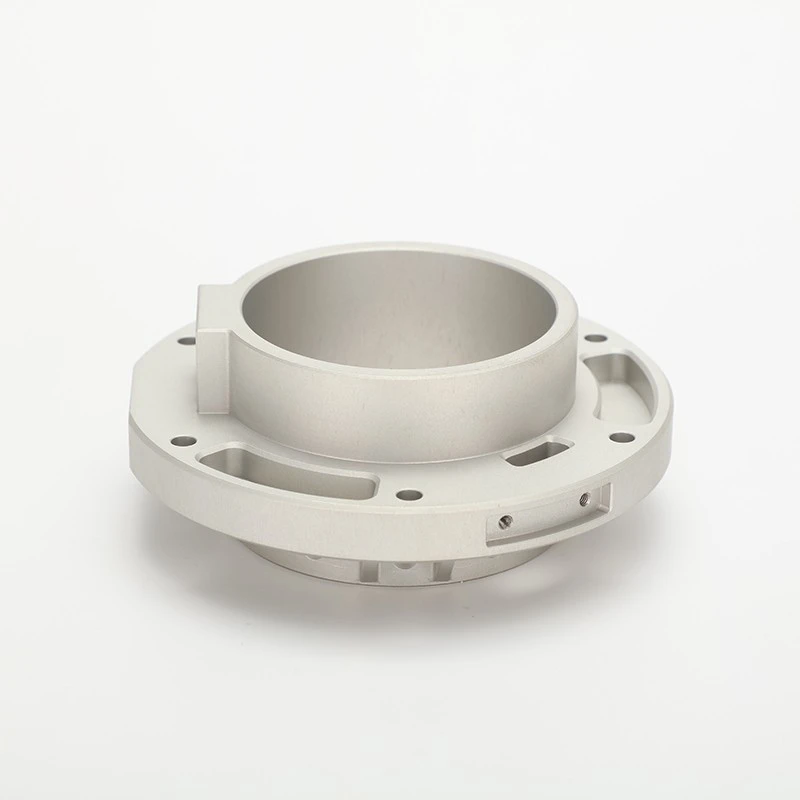
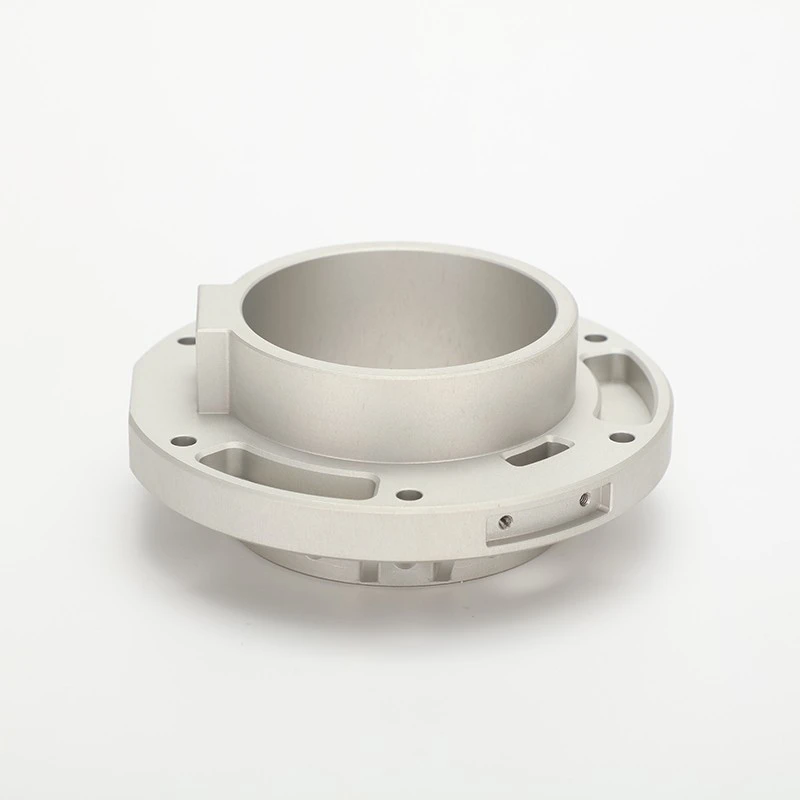
Medical Device Welding is another technology that can be used in conjunction with 3D printing. It can be used to join different parts of a 3D - printed medical device together, creating a strong and reliable structure.
Quality Assurance and Testing
3D - printed medical prototypes also make it easier to conduct quality assurance and testing. Since the prototypes can be quickly produced, multiple iterations can be tested to ensure that the final product meets all the required standards.
For example, in the case of a surgical instrument prototype, it can be tested for its functionality, ergonomics, and durability. Engineers can simulate real - life surgical scenarios and see how the instrument performs. If any issues are identified, the design can be modified, and a new prototype can be printed for further testing.
This iterative testing process helps to improve the quality of the final medical device. It also allows for any potential problems to be identified and resolved early in the development process, reducing the risk of costly recalls or failures in the market.
Let's Talk Business
So, if you're in the medical industry and looking for a supplier for your Medical Prototype Development needs, I'd love to have a chat. The benefits of 3D printing in medical prototype development are clear, and I'm here to help you leverage this technology to create high - quality, customized, and cost - effective medical prototypes. Whether you're a startup with a groundbreaking idea or an established company looking to improve your existing products, I've got the experience and expertise to support you. Reach out, and let's start the conversation about your next medical project.
References
- Roehling, A., & Gausemeier, J. (2017). 3D printing in medical technology: innovation and future perspectives. Production Engineering, 11(5), 503 - 512.
- Hopkins, P., & Smith, J. (2018). The impact of 3D printing on medical device prototyping. Medical Device Technology, 29(3), 18 - 23.
- Gibson, I., Rosen, D. W., & Stucker, B. (2015). Additive manufacturing technologies: 3D printing, rapid prototyping, and direct digital manufacturing. Springer.