Hey there! As a supplier in the Medical Device Welding field, I've seen firsthand how crucial skills training programs are. In this blog, I'll share some key skills training programs for medical device welding.
Understanding the Basics of Medical Device Welding
Before diving into the training programs, it's important to understand what medical device welding is all about. Medical device welding involves joining different components of medical devices with high precision and quality. This process ensures that the medical devices are safe, reliable, and meet the strict industry standards.
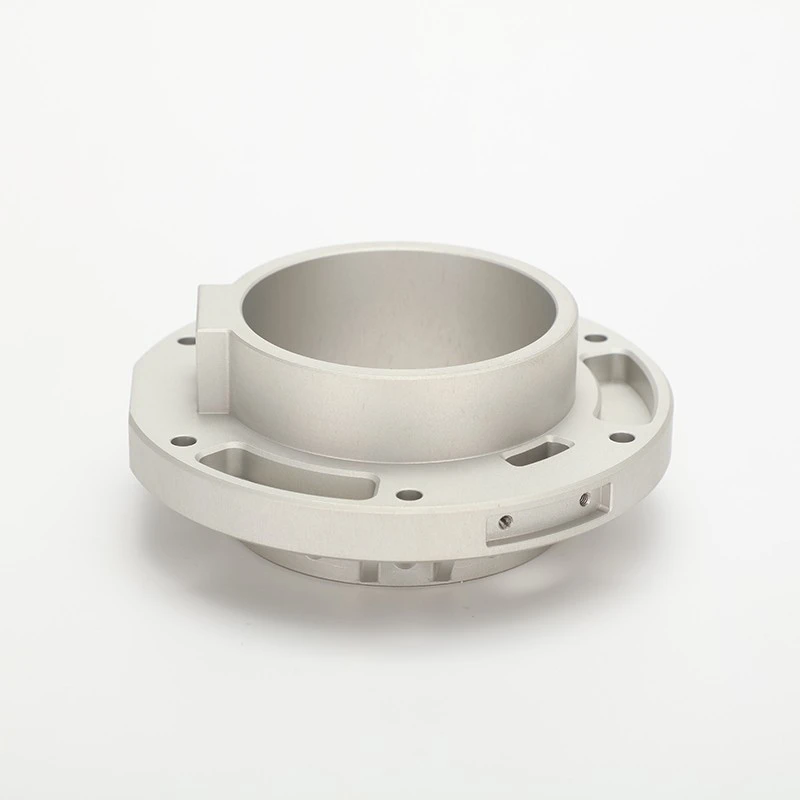
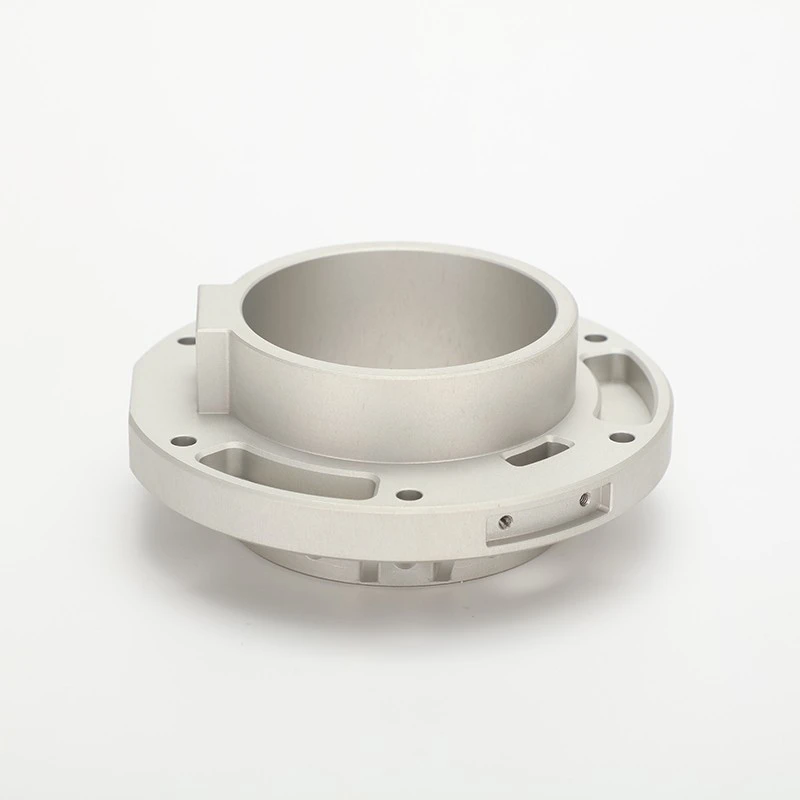
Medical devices range from simple syringes to complex heart valves, and each type requires a specific welding technique. For example, laser welding is often used for small and precise components, while resistance welding is suitable for larger parts.
Skills Training Programs
Welding Techniques Training
One of the most important skills in medical device welding is mastering different welding techniques. This includes laser welding, resistance welding, ultrasonic welding, and more. Each technique has its own advantages and limitations, and it's essential for welders to understand when and how to use them.
For laser welding, welders need to learn how to control the laser beam's power, speed, and focus. This requires precise calibration and adjustment to ensure a clean and strong weld. Training programs for laser welding usually include hands - on practice with state - of - the - art laser welding machines.
Resistance welding, on the other hand, involves applying pressure and an electric current to join the parts. Welders need to know how to select the right electrodes, set the appropriate current and time parameters, and control the pressure. This type of training often includes practical exercises to help welders perfect their skills.
Ultrasonic welding uses high - frequency vibrations to create a weld. It's commonly used for plastic medical device components. In the training program, welders learn about the ultrasonic generator, the welding horn, and how to set up the equipment for different types of plastic materials.
Quality Control Training
Quality control is a non - negotiable aspect of medical device welding. A single flaw in a weld can compromise the functionality and safety of a medical device. That's why welders need to be trained in quality control procedures.
Training programs in quality control cover inspection methods such as visual inspection, X - ray inspection, and ultrasonic testing. Welders learn how to identify common welding defects like porosity, cracks, and incomplete fusion. They also learn how to measure the weld's dimensions and strength to ensure it meets the required specifications.
In addition, welders are trained to follow strict documentation procedures. This includes recording the welding parameters, inspection results, and any corrective actions taken. Proper documentation is essential for traceability and compliance with regulatory requirements.
Material Knowledge Training
Medical devices are made from a variety of materials, including metals like stainless steel, titanium, and aluminum, as well as plastics. Welders need to have a good understanding of these materials and how they react to different welding processes.
Training programs in material knowledge teach welders about the physical and chemical properties of different metals and plastics. For example, they learn about the melting points, thermal conductivity, and corrosion resistance of metals. This knowledge helps them select the appropriate welding technique and parameters for each material.
When it comes to plastics, welders need to know about the different types of polymers, their bonding characteristics, and the best welding methods for each type. For instance, some plastics are more suitable for ultrasonic welding, while others may require a different approach.
Safety Training
Safety is always a top priority in any welding process, especially in the medical device industry. Welders are exposed to various hazards such as high - intensity light, fumes, and electrical shock.
Safety training programs cover topics like personal protective equipment (PPE). Welders learn about the importance of wearing welding helmets, gloves, aprons, and safety glasses. They also learn how to properly use ventilation systems to remove fumes and prevent inhalation of harmful substances.
In addition, welders are trained on electrical safety procedures. This includes how to handle welding equipment safely, how to prevent electrical short - circuits, and what to do in case of an electrical emergency.
The Role of Technology in Training
In today's digital age, technology plays a significant role in skills training programs for medical device welding. Virtual reality (VR) and augmented reality (AR) are being increasingly used to provide immersive training experiences.
VR can simulate real - world welding scenarios, allowing welders to practice their skills in a safe and controlled environment. They can experience different welding techniques, deal with various materials, and encounter common welding problems without the risk of damaging expensive medical device components.
AR, on the other hand, can provide real - time guidance to welders during the actual welding process. For example, it can overlay instructions and welding parameters on the welding area, helping welders to make more accurate adjustments.
Our Company's Approach to Training
As a [Medical Device Welding] supplier, we take skills training very seriously. We have a team of experienced trainers who are experts in different aspects of medical device welding. Our training programs are designed to be hands - on and practical, with a strong emphasis on real - world applications.
We also invest in the latest technology and equipment to ensure that our welders have access to the best learning resources. From state - of - the - art welding machines to VR and AR training tools, we provide a comprehensive training environment.
In addition, we encourage our welders to participate in continuous learning. We offer regular refresher courses and updated training programs to keep them up - to - date with the latest industry trends and technologies.
Industry Resources for Training
There are several industry resources available for welders looking to enhance their skills in medical device welding. Online courses are a great option, as they offer flexibility and can be accessed from anywhere. Many websites offer comprehensive courses on different welding techniques, quality control, and material knowledge.
Professional organizations also play an important role in skills training. They often host workshops, conferences, and certification programs. By participating in these activities, welders can network with other professionals, learn from experts, and earn industry - recognized certifications.
Some related services that can complement medical device welding skills include Medical Device Assembly Automation, Medical Prototype Development, Medical Laser Cutting, and Medical Laser Marking. These services not only expand the range of skills but also provide a more comprehensive solution for medical device manufacturing.
Conclusion
Skills training programs for medical device welding are essential for ensuring the quality, safety, and reliability of medical devices. From mastering different welding techniques to understanding quality control, material knowledge, and safety procedures, welders need a wide range of skills.
At our company, we're committed to providing the best training for our welders to meet the high - standard requirements of the medical device industry. If you're in the market for high - quality medical device welding services, we'd love to discuss your needs. Whether you're a medical device manufacturer or a distributor, we can offer customized solutions to meet your specific requirements. Contact us to start a procurement discussion and see how we can help you achieve your goals.
References
- American Welding Society. (Year). Medical Device Welding Standards and Guidelines.
- European Medical Device Manufacturers Association. (Year). Best Practices in Medical Device Manufacturing and Welding.