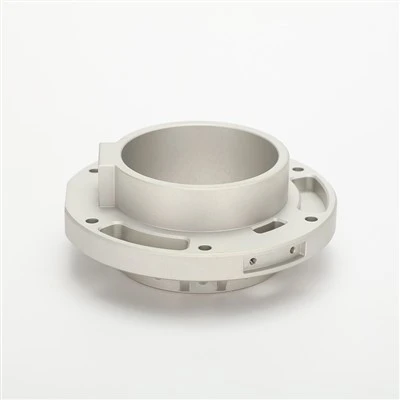
As a supplier of precision needle valves, I often encounter inquiries about their suitability for high - temperature applications. In this blog, I'll delve into the various aspects of precision needle valves and their performance in high - temperature environments.
Understanding Precision Needle Valves
Precision needle valves are engineered to provide accurate flow control. Their design features a slender, tapered needle that fits into a matching seat. By adjusting the position of the needle relative to the seat, the flow rate of a fluid (either liquid or gas) can be precisely regulated. These valves are widely used in industries such as chemical processing, pharmaceuticals, and instrumentation due to their ability to offer fine - tuned control.
Factors Affecting the Suitability for High - Temperature Applications
Material Selection
The choice of materials is crucial when considering precision needle valves for high - temperature use. Metals like stainless steel, brass, and Inconel are commonly used. Stainless steel offers good corrosion resistance and can withstand moderately high temperatures. However, for extremely high - temperature applications, Inconel is a better option. Inconel has excellent high - temperature strength, oxidation resistance, and creep resistance. This means that it can maintain its mechanical properties even when exposed to temperatures well above 1000°F (538°C).
Ceramics can also be used in high - temperature precision needle valves. Precision Ceramic Parts offer high - temperature stability, chemical inertness, and low thermal expansion. They are ideal for applications where the fluid is corrosive and the temperature is very high.
Sealing Mechanisms
The sealing performance of a precision needle valve is vital in high - temperature applications. High temperatures can cause seals to degrade, leading to leaks. There are different types of seals used in needle valves, such as elastomeric seals and metal - to - metal seals. Elastomeric seals, like rubber O - rings, are suitable for lower - temperature applications. In high - temperature scenarios, metal - to - metal seals are preferred. Metal - to - metal seals can withstand higher temperatures without losing their sealing integrity. They are less likely to deform or break down under thermal stress.
Thermal Expansion
All materials expand when heated, and this thermal expansion can affect the operation of a precision needle valve. If the expansion is not properly accounted for, it can lead to binding or improper seating of the needle. Manufacturers need to design the valve with appropriate clearances and tolerances to accommodate thermal expansion. This ensures that the valve can operate smoothly and maintain its precision even as the temperature changes.
Advantages of Using Precision Needle Valves in High - Temperature Applications
Precise Flow Control
One of the main advantages of using precision needle valves in high - temperature applications is the ability to maintain precise flow control. In processes where accurate dosing or regulation of fluid flow is critical, such as in chemical reactors or high - temperature heat exchangers, these valves can provide the necessary level of control. This helps to ensure the quality and consistency of the end product.
Durability
When made from suitable materials and designed to handle thermal stress, precision needle valves can be highly durable in high - temperature environments. They can withstand repeated thermal cycling without significant wear or damage. This reduces the need for frequent valve replacements, which can save both time and money in the long run.
Challenges and Limitations
Cost
The cost of precision needle valves suitable for high - temperature applications can be relatively high. High - quality materials like Inconel and advanced manufacturing processes increase the production cost of these valves. This can be a significant factor for some industries, especially those with tight budgets.
Maintenance
High - temperature operation can also increase the maintenance requirements of precision needle valves. Regular inspections are necessary to check for signs of wear, corrosion, and seal degradation. Any issues need to be addressed promptly to ensure the continued proper operation of the valve.
Industry Applications
Precision needle valves are used in a variety of high - temperature industries. In the aerospace industry, they are used in fuel systems and hydraulic systems where precise flow control is required at high temperatures. In the power generation sector, these valves are used in steam and gas turbine systems. They help to regulate the flow of steam or gas, ensuring efficient and safe operation.
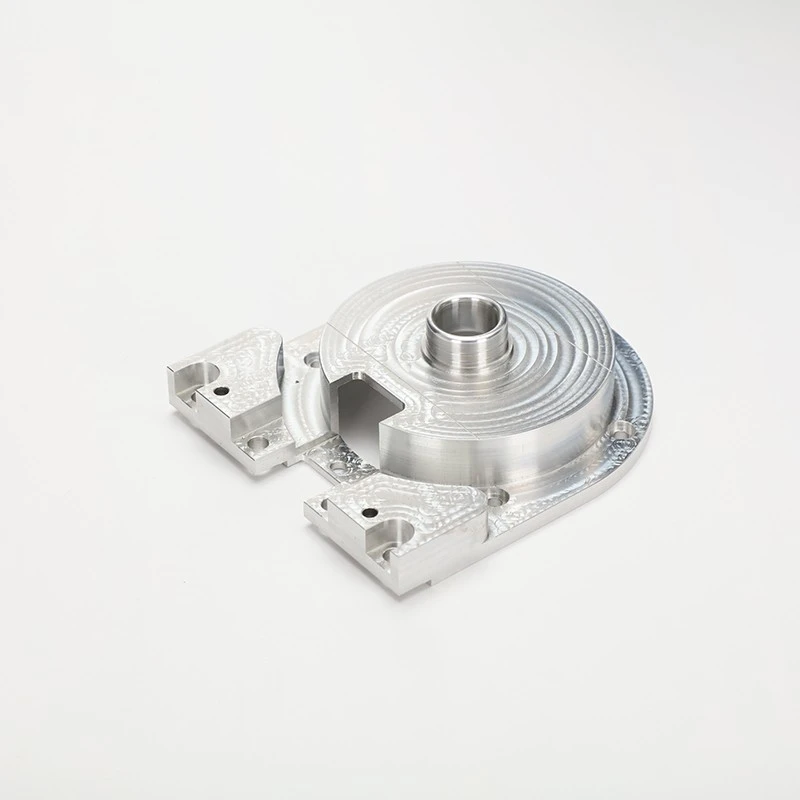
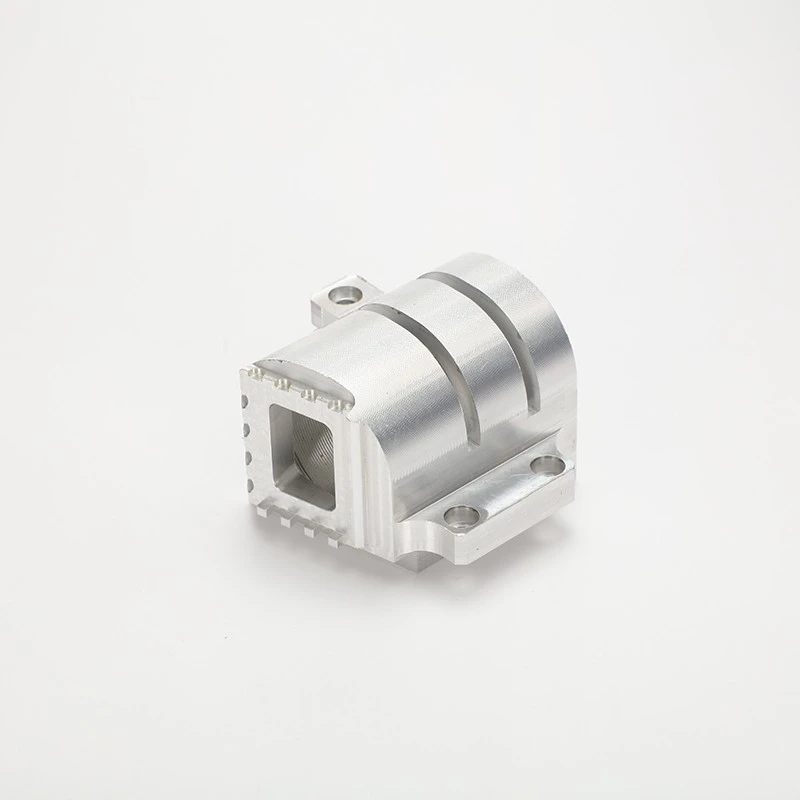
In the semiconductor manufacturing industry, High Precision Machined Parts including precision needle valves are used in high - temperature processes such as chemical vapor deposition. The ability to control the flow of gases precisely at high temperatures is essential for producing high - quality semiconductor devices.
Complementary Products
In addition to precision needle valves, there are other precision - engineered products that can be used in high - temperature applications. Precision Limit Switch Micro Switch can be used to monitor the position and movement of components in high - temperature environments. These switches are designed to be reliable and accurate, even under extreme conditions.
Precision Turned Components are also important in high - temperature systems. They can be used as part of the valve assembly or other mechanical components. These components are manufactured to high precision, ensuring a proper fit and reliable operation.
Precision Resistors for Calibration are used to ensure the accuracy of electrical measurements in high - temperature applications. They are designed to maintain their resistance values even when exposed to high temperatures, providing reliable calibration for various systems.
Conclusion
In conclusion, precision needle valves can be suitable for high - temperature applications, provided that they are made from appropriate materials, have proper sealing mechanisms, and are designed to handle thermal expansion. While there are challenges such as cost and maintenance, the advantages of precise flow control and durability make them a valuable choice in many high - temperature industries.
If you are in need of precision needle valves for high - temperature applications or any of the complementary precision products mentioned above, we are here to assist you. Our team of experts can help you select the right products based on your specific requirements. Contact us to start a procurement discussion and find the best solutions for your high - temperature needs.
References
- ASM Handbook Volume 2: Properties and Selection: Nonferrous Alloys and Special - Purpose Materials. ASM International.
- Valve Handbook, 4th Edition. Butterworth - Heinemann.
- Engineering Materials 1: An Introduction to Properties, Applications, and Design. Michael F. Ashby, David R. H. Jones.