Introduction to Robotic Machining
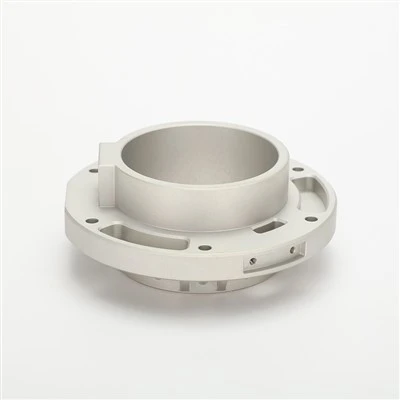
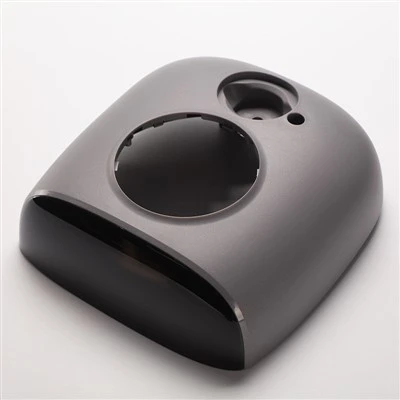
Robotic machining is a cutting - edge manufacturing technology that combines the precision of machining processes with the flexibility and automation of robotics. It involves using industrial robots to perform various machining operations such as milling, drilling, grinding, and polishing. This technology has revolutionized the manufacturing industry by offering advantages like high precision, repeatability, and the ability to handle complex geometries. It can significantly reduce production time and labor costs while improving product quality. With the increasing demand for customized and high - quality products, robotic machining has become an essential part of modern manufacturing in China.
Top 10 Robotic Machining Suppliers in China
1. Zhejiang Hayi Technology Co., Ltd.
Zhejiang Hayi Technology Co., Ltd. is a leading player in the field of robotic machining in China. The company is committed to the research, development, production, and sales of intelligent robotic manufacturing systems. It focuses on providing comprehensive solutions for different industries, including automotive, aerospace, and general machinery.
Features in Robotic Machining:
- High - Precision Positioning: The robotic machining systems developed by Zhejiang Hayi Technology are equipped with advanced sensors and control algorithms. These allow the robots to achieve extremely high - precision positioning during machining operations, ensuring the accuracy of the final products. For example, in the aerospace industry where components require extremely tight tolerances, the company's robots can consistently meet the strict quality requirements.
- Flexible Programming: The company offers a user - friendly programming interface for its robotic machining systems. Operators can easily program the robots to perform different machining tasks, and the systems can be quickly reconfigured for new production requirements. This flexibility is crucial for industries that need to produce small - batch, customized products.
- Integration Capabilities: Zhejiang Hayi Technology's robotic machining systems can be seamlessly integrated with other manufacturing equipment such as CNC machines, conveyors, and inspection systems. This integration enables a more efficient and automated production line, reducing the overall production cycle time.
Advantages:
- Strong R & D Team: The company has a team of highly skilled engineers and researchers who are constantly working on improving the performance and functionality of its robotic machining systems. They keep up with the latest technological trends and incorporate new technologies such as artificial intelligence and machine learning into the systems.
- Customized Solutions: Recognizing that different industries have different requirements, Zhejiang Hayi Technology provides customized robotic machining solutions. Whether it is a large - scale automotive manufacturer or a small - scale precision parts producer, the company can design and develop a system that meets the specific needs of the customer.
- After - Sales Service: The company offers comprehensive after - sales service, including installation, commissioning, maintenance, and technical support. This ensures that customers can operate the robotic machining systems smoothly and minimize downtime.
Website: https://www.zhejianghayi.com/
2. FANUC Robotics China Co., Ltd.
FANUC is a well - known global brand in the robotics industry, and its Chinese subsidiary, FANUC Robotics China Co., Ltd., has a strong presence in the robotic machining market. The company has a long - standing history of developing high - quality industrial robots.
Features in Robotic Machining:
- High - Speed Machining: FANUC's robots are known for their high - speed operation capabilities. In robotic machining, this means that they can complete machining tasks in a shorter time, increasing the overall production efficiency. For example, in the mass production of automotive engine components, the high - speed machining ability of FANUC robots can significantly reduce the production cycle.
- Advanced Motion Control: The company's robots are equipped with advanced motion control technology, which allows for smooth and precise movement during machining. This is especially important for complex machining operations such as 3D profiling, where the robot needs to follow a precise path to achieve the desired shape.
- Wide Range of Payloads: FANUC offers robots with a wide range of payload capacities, from a few kilograms to several tons. This makes it suitable for different types of machining applications, from small - scale precision machining to heavy - duty machining of large workpieces.
Advantages:
- Global Technology Leadership: As a global leader in robotics, FANUC has access to the latest technologies and R & D resources. This enables the company to continuously innovate and improve its robotic machining products, staying ahead of the competition.
- Robust Product Portfolio: FANUC offers a comprehensive range of robotic products and solutions for various industries. Customers can choose the most suitable robot for their specific machining needs from a wide range of models, reducing the need for multiple suppliers.
- Reliability and Durability: FANUC robots are known for their high reliability and durability. They can operate continuously for long periods of time with minimal maintenance, reducing the overall cost of ownership for customers.
3. ABB Robotics (China) Co., Ltd.
ABB is another international giant in the robotics field, and its Chinese operations play an important role in the domestic robotic machining market. The company has a diverse portfolio of products and solutions for different manufacturing applications.
Features in Robotic Machining:
- Advanced Vision Systems: ABB's robotic machining systems are often equipped with advanced vision systems. These vision systems can be used for tasks such as workpiece identification, positioning, and in - process inspection. For example, in a complex assembly machining process, the vision system can accurately identify the position and orientation of the workpiece, ensuring precise machining.
- Collaborative Robots for Machining: ABB has developed collaborative robots that can work safely alongside human operators. In robotic machining, these collaborative robots can perform tasks such as light machining, assembly, and handling in close proximity to humans, increasing the flexibility of the production line.
- Energy - Efficient Design: The company focuses on energy - efficient design in its robotic products. The robots are optimized to consume less energy during operation, which not only reduces the operating cost for customers but also aligns with the global trend of sustainable manufacturing.
Advantages:
- Global Experience and Expertise: ABB has extensive experience in serving customers around the world. This global experience allows the company to understand the diverse needs of different industries and provide effective robotic machining solutions.
- System Integration Competence: ABB has strong system integration capabilities. It can integrate its robotic machining systems with other components of the production line, such as material handling systems and quality control systems, to create a seamless and efficient manufacturing environment.
- Strong Brand Reputation: ABB's brand is well - recognized for its high - quality products and reliable services. Customers can have confidence in the performance and long - term support of ABB's robotic machining solutions.
4. Siasun Robot & Automation Co., Ltd.
Siasun is a leading domestic robotics company in China. It has made significant contributions to the development of the domestic robotic machining industry.
Features in Robotic Machining:
- Localized Adaptation: Siasun understands the specific needs and characteristics of the Chinese market. Its robotic machining systems are designed to be well - adapted to the local manufacturing environment, including factors such as different workpiece materials, production scales, and labor skills.
- Vertical Integration Capability: The company has vertical integration capabilities in the robotics industry, from the development of key components such as servo motors and controllers to the production of complete robotic systems. This allows Siasun to have better control over the quality and cost of its robotic machining products.
- Industry - Specific Solutions: Siasun provides industry - specific robotic machining solutions. For example, in the 3C (computer, communication, and consumer electronics) industry, where high - precision and high - speed machining are required, the company has developed specialized robots to meet the unique requirements of this industry.
Advantages:
- Government Support: As a domestic leading robotics company, Siasun has received strong support from the Chinese government in terms of R & D investment and policy incentives. This support has enabled the company to accelerate the development and promotion of its robotic machining technologies.
- Cost - Effectiveness: Siasun's products often offer a high level of cost - effectiveness compared to some international competitors. This makes its robotic machining solutions more accessible to small and medium - sized enterprises in China, promoting the widespread adoption of robotic machining technology in the domestic market.
- Local Service Network: The company has established a wide - spread local service network in China. This ensures that customers can receive timely after - sales service and technical support, reducing the impact of potential equipment failures on production.
5. Yaskawa Electric (China) Co., Ltd.
Yaskawa is a renowned Japanese robotics company, and its Chinese subsidiary has a significant market share in the Chinese robotic machining field.
Features in Robotic Machining:
- High - Torque Motors: Yaskawa's robots are equipped with high - torque motors, which provide strong power for machining operations. This is especially important for heavy - duty machining tasks such as rough milling and large - scale drilling, where a large amount of cutting force is required.
- Intelligent Control Systems: The company's robotic machining systems feature intelligent control systems that can adapt to different machining conditions in real - time. For example, if the material properties of the workpiece change during machining, the control system can automatically adjust the machining parameters to ensure the quality of the final product.
- Compatibility with Existing Equipment: Yaskawa's robots are designed to be highly compatible with existing manufacturing equipment in Chinese factories. This allows customers to easily integrate the robotic machining systems into their existing production lines without significant modifications.
Advantages:
- Technological Heritage: Yaskawa has a long - standing technological heritage in the field of robotics. The company has continuously improved its technologies over the years, ensuring the high quality and performance of its robotic machining products.
- Training and Education: Yaskawa provides comprehensive training and education programs for customers. This helps operators to better understand and operate the robotic machining systems, improving the efficiency and safety of the production process.
- Global Supply Chain: The company's global supply chain ensures the stable supply of spare parts and components for its robotic machining systems. This reduces the risk of production disruptions due to part shortages.
6. Kawasaki Robotics (China) Co., Ltd.
Kawasaki is a well - established name in the robotics and heavy machinery industry. Its Chinese operations are actively involved in the robotic machining market.
Features in Robotic Machining:
- High - Rigidity Structure: Kawasaki's robots have a high - rigidity structure, which is crucial for maintaining the accuracy of machining operations. During high - speed and heavy - load machining, the rigid structure can minimize the vibration and deformation of the robot, ensuring the quality of the machined parts.
- Multi - Axis Machining: The company's robots are capable of multi - axis machining, which allows them to perform complex machining tasks on workpieces with irregular shapes. For example, in the aerospace industry, where components often have complex geometries, the multi - axis machining ability of Kawasaki robots can be fully utilized.
- Remote Monitoring and Diagnosis: Kawasaki's robotic machining systems are equipped with remote monitoring and diagnosis capabilities. Manufacturers can remotely monitor the operation status of the robots, detect potential problems in advance, and perform maintenance and troubleshooting without being on - site.
Advantages:
- Industry - Proven Technology: Kawasaki has extensive experience in the industrial field, and its robotic technologies have been proven in various industries. Customers can have confidence in the reliability and performance of the company's robotic machining solutions.
- Customized Engineering Services: Kawasaki provides customized engineering services for its customers. The company's engineering team can work closely with customers to design and develop robotic machining systems that meet their specific production requirements.
- Strong R & D Investment: The company continuously invests in research and development to improve the performance and functionality of its robotic products. This ensures that Kawasaki's robotic machining solutions remain competitive in the market.
7. Estun Automation Co., Ltd.
Estun is a domestic Chinese company that has been rapidly growing in the field of robotics and automation. It has a strong focus on providing cost - effective robotic machining solutions.
Features in Robotic Machining:
- Open - Source Software Platform: Estun's robotic machining systems are based on an open - source software platform. This allows customers or third - party developers to customize and expand the functionality of the systems according to their specific needs. For example, users can develop their own machining algorithms and integrate them into the system.
- Compact Design: The company's robots have a compact design, which is suitable for factories with limited space. The compact size also allows for more flexible installation and arrangement of the robotic machining systems in the production line.
- Cost - Effective Components: Estun uses cost - effective components in its robotic products without sacrificing quality. This enables the company to offer competitive pricing for its robotic machining solutions, making them more attractive to small and medium - sized enterprises.
Advantages:
- Localized R & D and Production: As a domestic company, Estun has the advantage of localized R & D and production. This allows the company to quickly respond to the changing needs of the Chinese market and reduce the cost of production and logistics.
- Technical Support Network: Estun has established a wide - ranging technical support network in China. Customers can easily access technical support and training services, ensuring the smooth operation of their robotic machining systems.
- Industry - Focused Development: The company focuses on developing robotic machining solutions for specific industries, such as the furniture manufacturing industry and the metal processing industry. By understanding the unique requirements of these industries, Estun can provide more targeted and effective solutions.
8. Omron Robotics and Safety Technologies (China) Co., Ltd.
Omron is a global leader in automation and control technologies, and its Chinese division offers robotic machining solutions.
Features in Robotic Machining:
- Safety - First Design: Omron places a high priority on safety in its robotic machining systems. The robots are equipped with advanced safety sensors and technologies, such as collision detection and emergency stop functions, to ensure the safety of operators and equipment during machining operations.
- Precision Sensing Technology: The company's robots are integrated with precision sensing technology, which can accurately detect the position, shape, and surface properties of the workpiece. This information is used to optimize the machining process and improve the quality of the final product.
- Data - Driven Optimization: Omron's robotic machining systems collect and analyze a large amount of data during operation. This data can be used to optimize the machining process, predict equipment failures, and improve overall production efficiency.
Advantages:
- Comprehensive Automation Solutions: Omron offers comprehensive automation solutions that include not only robotic machining but also other aspects of the production process, such as material handling and quality control. This allows customers to create a fully integrated and automated production line.
- Global Standard of Quality: As an international company, Omron adheres to global standards of quality in the design and manufacturing of its robotic products. Customers can expect high - quality and reliable robotic machining solutions from Omron.
- Industry - 4.0 Capabilities: Omron's robotic machining systems are designed to be compatible with the concept of Industry 4.0. They can be integrated into smart factories, enabling real - time data exchange and remote control of the production process.
9. Nachi - Fujikoshi (China) Co., Ltd.
Nachi - Fujikoshi is a Japanese company with a long history in the manufacturing and robotics fields. Its Chinese subsidiary is involved in the robotic machining business.
Features in Robotic Machining:
- High - Quality Cutting Tools: In addition to robots, Nachi - Fujikoshi is known for its high - quality cutting tools. The combination of its robots and cutting tools in robotic machining systems can achieve excellent machining results. For example, the company's cutting tools are designed to have a long service life and high cutting performance, reducing the cost of tool replacement.
- Seamless Integration of Components: The company's robotic machining systems feature seamless integration of components such as robots, controllers, and cutting tools. This integration ensures smooth and efficient operation of the system, minimizing the risk of malfunctions.
- Application - Specific Configurations: Nachi - Fujikoshi can provide application - specific configurations for its robotic machining systems. Whether it is for high - precision machining in the medical device industry or large - scale machining in the construction machinery industry, the company can customize the system to meet the specific requirements of the application.
Advantages:
- Integrated Manufacturing Expertise: Nachi - Fujikoshi has integrated manufacturing expertise in multiple areas, including robotics, cutting tools, and bearings. This comprehensive expertise allows the company to provide more holistic and efficient robotic machining solutions.
- Long - Term R & D Investment: The company has a long - term commitment to research and development. It continuously invests in improving the performance and quality of its products, ensuring that its robotic machining solutions remain at the forefront of the industry.
- Global Customer Support: Nachi - Fujikoshi has a global customer support network. Chinese customers can benefit from the company's global resources in terms of technical support, spare parts supply, and training.
10. Epson Robots (China) Co., Ltd.
Epson is well - known for its precision manufacturing technologies, and its Chinese operations offer robotic machining solutions.
Features in Robotic Machining:
- Micro - Precision Machining: Epson's robots are capable of micro - precision machining, which is suitable for industries such as electronics and watchmaking. The robots can perform extremely fine machining tasks with high accuracy, enabling the production of small and precise components.
- High - Repeatability: The company's robotic machining systems have high repeatability, which means that they can perform the same machining task with consistent results over and over again. This is crucial for mass production, where product quality consistency is of utmost importance.
- Space - Saving Design: Epson's robots have a space - saving design, which is beneficial for factories with limited floor space. The compact robots can be easily integrated into existing production lines without taking up too much space.
Advantages:
- Precision Technology Heritage: Epson has a long - standing heritage in precision manufacturing technologies. This expertise is reflected in the high - precision performance of its robotic machining systems.
- Low - Cost of Ownership: The company's robotic machining solutions offer a relatively low cost of ownership. This is due to factors such as energy - efficient operation, long service life of components, and low maintenance requirements.
- User - Friendly Interface: Epson's robots are equipped with a user - friendly interface, which makes it easy for operators to program and operate the robotic machining systems. This reduces the training time and cost for new operators.
Summary
The robotic machining market in China is highly competitive, with a diverse range of domestic and international suppliers. Each of the top 10 suppliers mentioned above has its own unique features and advantages. International companies like FANUC, ABB, Yaskawa, Kawasaki, Nachi - Fujikoshi, and Omron bring global technology leadership, advanced R & D capabilities, and well - established brand reputations. They offer high - performance robotic machining solutions with advanced features such as high - speed operation, advanced motion control, and intelligent sensing.
On the other hand, domestic companies such as Siasun, Estun, and Zhejiang Hayi Technology have the advantages of localized adaptation, cost - effectiveness, and strong government support. They are well - positioned to meet the specific needs of the Chinese market and are rapidly growing in the industry.
Epson, with its focus on micro - precision machining, provides specialized solutions for industries that require high - precision manufacturing. Overall, these suppliers are driving the development of the robotic machining industry in China, promoting the transformation and upgrading of the manufacturing sector towards higher precision, efficiency, and automation. As the demand for high - quality and customized products continues to grow, the robotic machining market in China is expected to expand further in the coming years, and these top 10 suppliers will play a crucial role in shaping its future.