Hey there! As a supplier in the CNC turning game, I've seen firsthand how automation has completely transformed this industry. In this blog, I'm gonna break down how automation is applied in CNC turning and why it's such a big deal.
Let's start with the basics. CNC turning, if you're not familiar, is a machining process where a cutting tool removes material from a rotating workpiece to create a desired shape. It's used to make all sorts of parts, from simple shafts to complex components for aerospace and automotive industries.
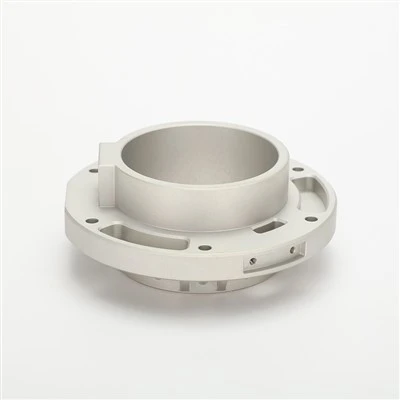
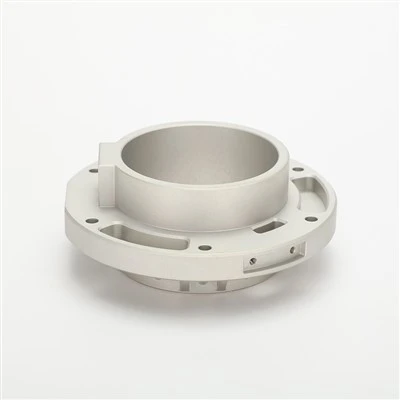
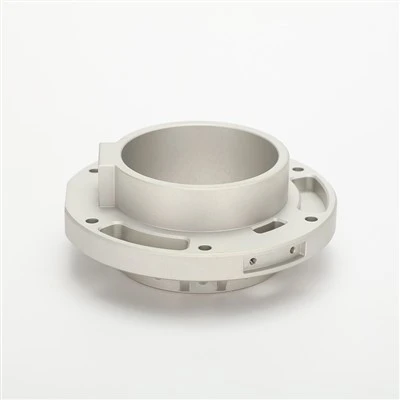
So, how does automation fit into all this? Well, one of the most significant ways automation is used in CNC turning is through the use of computer - controlled systems. These systems can precisely control the movement of the cutting tool and the rotation of the workpiece. For example, instead of a human operator having to manually adjust the tool's position and speed for each cut, the computer can do it with incredible accuracy. This means that parts can be produced with consistent quality, which is super important in industries where precision is key. High Precision Turning is a great example of how this high - level accuracy can be achieved through automation. The automated systems can follow pre - programmed instructions to make micro - adjustments, ensuring that the finished part meets the exact specifications.
Automated loading and unloading systems are another game - changer in CNC turning. In the past, operators had to manually load the raw material onto the machine and then unload the finished part. This was not only time - consuming but also increased the risk of human error. With automated loading and unloading, robots or conveyors can handle these tasks efficiently. For instance, a robot can pick up a raw piece of metal, place it in the CNC turning machine, and then remove the finished part once the process is complete. This allows the machine to run continuously, reducing downtime and increasing productivity.
Another aspect of automation in CNC turning is the integration of sensors. These sensors can monitor various aspects of the machining process, such as temperature, vibration, and tool wear. If the temperature of the cutting tool gets too high, the sensor can detect it and signal the system to adjust the cutting speed or coolant flow. Similarly, if there's excessive vibration, it could indicate a problem with the setup, and the system can stop the machine to prevent damage. This real - time monitoring helps in maintaining the quality of the parts and also extends the life of the cutting tools.
Now, let's talk about some specific types of CNC turning processes that benefit greatly from automation. 5 Axis Mill Turn is a highly advanced process that combines milling and turning operations. With automation, the machine can change between different cutting tools and perform complex machining operations on multiple axes. This is especially useful for creating parts with intricate geometries that would be extremely difficult, if not impossible, to make manually.
Round Steel Tube Connectors are another area where automation shines. These connectors need to be produced with high precision to ensure a proper fit. Automated CNC turning can produce these connectors in large quantities with consistent quality. The computer - controlled systems can accurately machine the threads, bores, and other features of the connectors, ensuring that they meet the required standards.
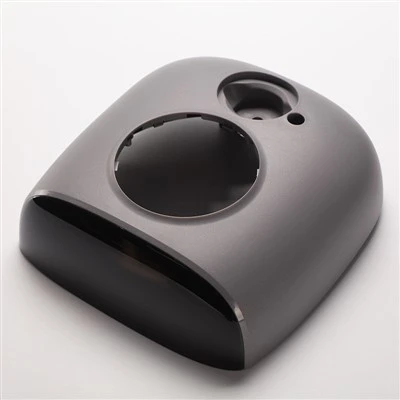
CNC Turn Mill Parts are often used in high - tech industries, and the demand for them is on the rise. Automation enables the efficient production of these parts by streamlining the manufacturing process. The pre - programmed instructions can be easily integrated with different types of machining operations, making it possible to produce complex turn - mill parts with minimal human intervention.
Even in Rough Turning, automation has its advantages. During rough turning, a large amount of material needs to be removed quickly. Automated systems can optimize the cutting parameters, such as feed rate and depth of cut, to ensure maximum material removal without sacrificing too much on tool life. This reduces the overall machining time for rough - turning operations.

One of the biggest benefits of automation in CNC turning is the cost - effectiveness. While the initial investment in automated equipment and programming can be high, in the long run, it can save a lot of money. The increased productivity, reduced labor costs, and lower scrap rates due to consistent quality all contribute to cost savings. Moreover, the ability to produce parts faster means that you can meet customer demands more quickly, which can lead to more business.
However, it's not all smooth sailing. There are some challenges associated with automation in CNC turning. For example, programming the automated systems can be complex and requires skilled technicians. Also, the maintenance of the automated equipment needs to be done regularly to ensure its proper functioning. But with proper training and a good maintenance plan, these challenges can be easily overcome.
In conclusion, automation has revolutionized the CNC turning industry. It has improved the quality, efficiency, and cost - effectiveness of the manufacturing process. Whether you're in the aerospace, automotive, or any other industry that requires precision - machined parts, the automated CNC turning solutions we offer can meet your needs.
If you're in the market for high - quality CNC - turned parts, I'd love to talk to you. Feel free to reach out to discuss your specific requirements, and we can work together to find the best solutions for your business.
References
- "CNC Machining Handbook" by an industry expert
- Various research papers on automation in manufacturing processes