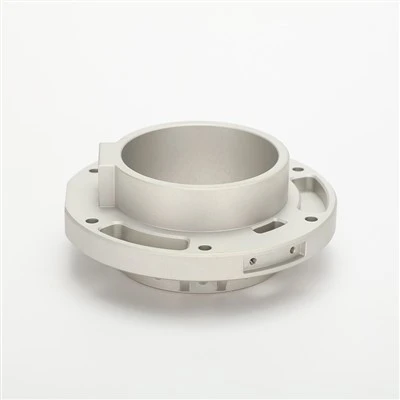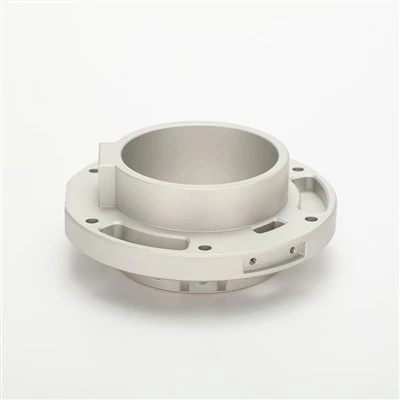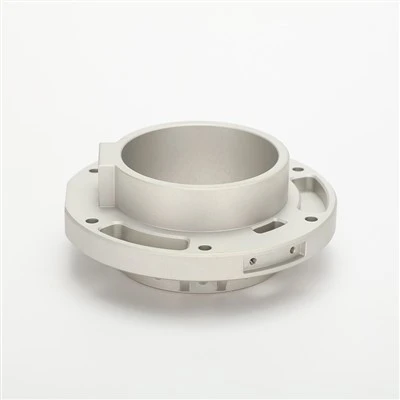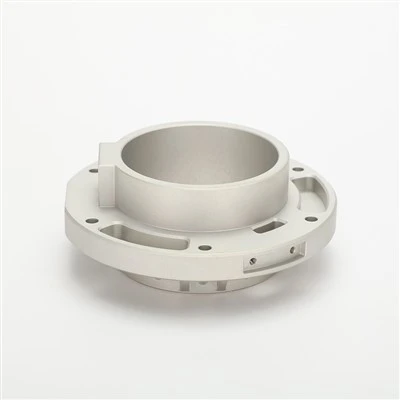
As a supplier in the field of aerospace components machining, I understand the critical importance of well - trained workers. The aerospace industry demands the highest level of precision, quality, and safety, and our workers are at the heart of delivering on these requirements. In this blog, I will share some effective strategies on how to train workers for aerospace components machining.
Understanding the Basics of Aerospace Components Machining
Before diving into the training process, it's essential to have a clear understanding of what aerospace components machining entails. Aerospace components are often made from high - performance materials such as titanium, aluminum alloys, and composites. These materials require specialized machining techniques due to their unique properties, like high strength - to - weight ratios and resistance to corrosion.
The machining processes involved in aerospace components include milling, turning, drilling, and grinding. Each process has its own set of challenges and requirements. For example, milling complex geometries with tight tolerances demands a high level of skill and precision. Turning operations need to ensure smooth surface finishes and accurate diameters.
Initial Training: Theoretical Knowledge
The first step in training workers for aerospace components machining is to provide them with a solid foundation of theoretical knowledge. This includes understanding the properties of different materials used in aerospace, such as their chemical composition, mechanical properties, and how they respond to machining processes.
Workers should also learn about the various machining processes and their applications. They need to understand concepts like cutting speed, feed rate, and depth of cut, as these parameters significantly affect the quality of the machined parts. Training courses can cover topics such as CAD/CAM (Computer - Aided Design/Computer - Aided Manufacturing) software, which is widely used in aerospace components machining to design and program parts.
Online resources and industry - specific textbooks can be valuable tools for theoretical training. Additionally, inviting industry experts to conduct seminars or workshops can provide workers with real - world insights and the latest trends in aerospace components machining.
Hands - on Training in a Controlled Environment
Once workers have grasped the theoretical knowledge, it's time to move on to hands - on training. A well - equipped training facility is crucial for this phase. It should have a variety of machining equipment, including CNC (Computer Numerical Control) machines, which are commonly used in aerospace components machining.
In the training facility, workers can start with simple machining tasks and gradually progress to more complex ones. For example, they can begin by machining basic geometric shapes and then move on to creating parts with intricate features. Supervisors should closely monitor the workers during this phase, providing immediate feedback and guidance.
During hands - on training, workers also need to learn about safety procedures. The aerospace components machining environment involves high - speed machinery and potentially hazardous materials. Training on proper use of personal protective equipment (PPE), machine safety protocols, and emergency response procedures is essential to prevent accidents.
Specialized Training for Different Types of Components
Aerospace components come in a wide variety of types, each with its own unique requirements. For instance, Ultra Precision Machined Aerospace Parts demand extremely high levels of accuracy and surface finish. Workers involved in machining these parts need specialized training in precision machining techniques, such as using high - precision measuring tools and advanced machining strategies.
Semiconductor CNC Machining is another area that requires specific skills. Semiconductor components in aerospace often have very small features and tight tolerances. Workers need to be trained in micro - machining techniques and the use of specialized CNC programming for semiconductor parts.
Precision Hydraulic Valves are critical components in aerospace systems. Training for machining these valves should focus on understanding the hydraulic principles, as well as the precise machining of valve seats, spools, and other components to ensure proper functionality.
Precision Machining for Semiconductor Equipment also requires a high level of expertise. Workers need to be familiar with the unique requirements of semiconductor equipment, such as the need for cleanroom machining to prevent contamination.
Continuous Training and Skill Upgrading
The aerospace industry is constantly evolving, with new materials, technologies, and machining techniques emerging regularly. Therefore, continuous training is essential to keep workers up - to - date with the latest developments.
Regular training sessions can be organized to introduce new machining technologies, such as advanced CNC programming techniques, new cutting tools, and emerging materials. Workers can also be encouraged to participate in industry conferences and trade shows to learn about the latest trends and network with other professionals.
Skill upgrading programs can be implemented to help workers progress in their careers. For example, workers who have mastered basic machining skills can be trained in more advanced areas, such as multi - axis machining or the use of robotic machining systems.
Quality Control Training
Quality control is a critical aspect of aerospace components machining. Workers need to be trained in quality control procedures to ensure that the machined parts meet the strict standards of the aerospace industry.
Training in quality control includes learning how to use measuring tools such as calipers, micrometers, and coordinate measuring machines (CMMs). Workers should also understand the principles of statistical process control (SPC) to monitor and improve the quality of the machining process.
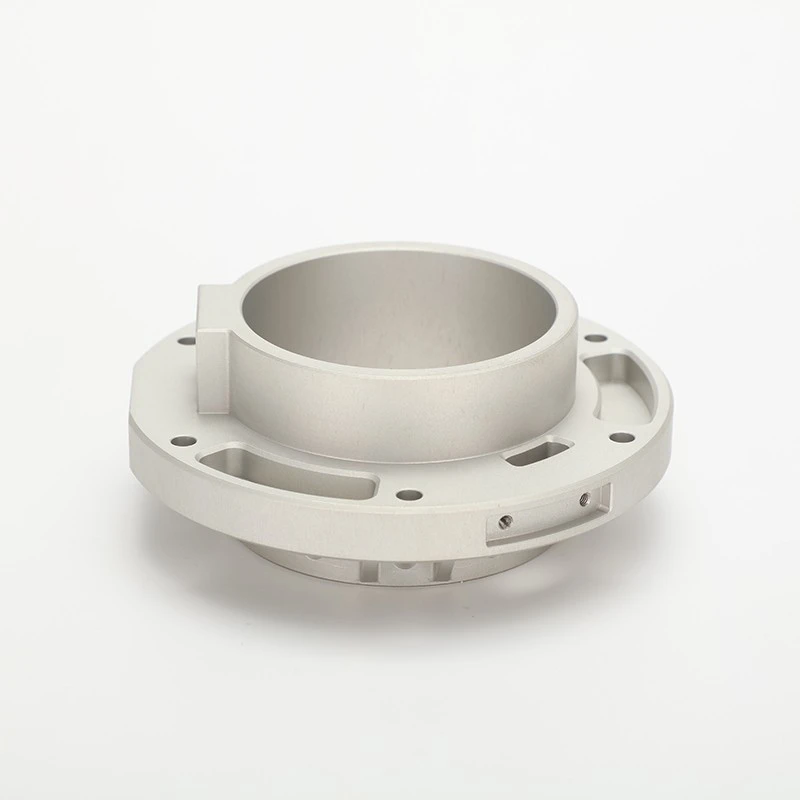
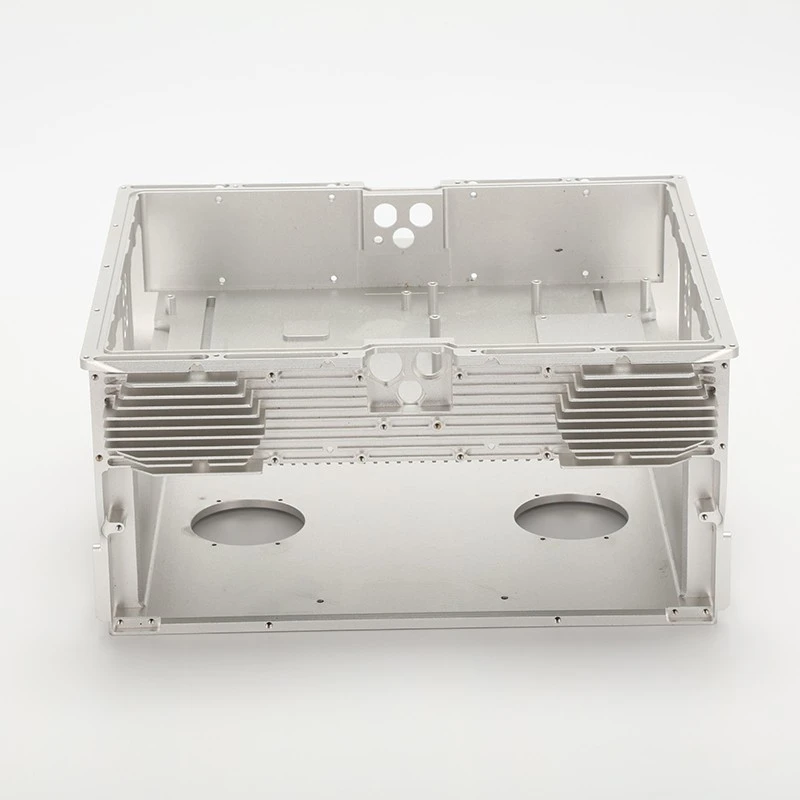
Inspection procedures, including visual inspection, dimensional inspection, and non - destructive testing, should be taught to workers. They need to be able to identify defects and take appropriate corrective actions to ensure that only high - quality parts are delivered to customers.
Teamwork and Communication Training
In an aerospace components machining environment, teamwork and communication are essential. Workers often need to collaborate with different departments, such as design, engineering, and quality control.
Training in teamwork can include activities that promote cooperation, problem - solving, and effective communication. For example, group projects can be assigned to workers to simulate real - world scenarios where they need to work together to complete a machining task.
Communication training can focus on improving both verbal and written communication skills. Workers should be able to clearly communicate their ideas, concerns, and progress to their colleagues and supervisors.
Conclusion
Training workers for aerospace components machining is a comprehensive and ongoing process. It requires a combination of theoretical knowledge, hands - on experience, specialized training for different types of components, continuous skill upgrading, quality control training, and teamwork and communication training.
As a supplier in the aerospace components machining industry, we are committed to providing our workers with the best training possible. By investing in our workers' skills and knowledge, we can ensure that we deliver high - quality aerospace components that meet the strict requirements of our customers.
If you are interested in procuring aerospace components or have any questions about our machining services, we welcome you to contact us for further discussion. We look forward to the opportunity to work with you and contribute to your aerospace projects.
References
- "Aerospace Manufacturing Technology" by John R. Davis
- "CNC Machining Handbook" by Mark Albert
- Industry reports from leading aerospace associations