Globalization has been a game - changer for countless industries around the world, and the CNC machining industry is no exception. As a CNC machining supplier, I've witnessed firsthand how globalization has both reshaped the landscape of our business and presented us with a range of opportunities and challenges. In this blog, I want to break down the impacts of globalization on the CNC machining industry.
Market Expansion
One of the most significant positive impacts of globalization on the CNC machining industry is the expansion of markets. Before the globalization wave, our customer base was mainly local or regional. We were limited by the demand in our immediate area, which put a cap on our growth potential. But with globalization, the world has become our marketplace.
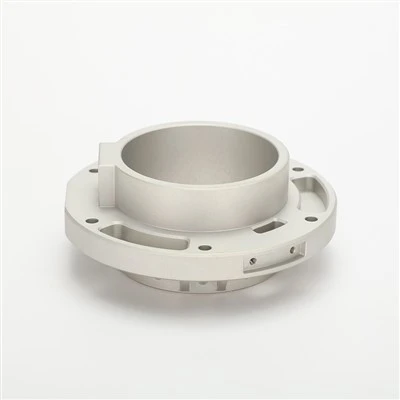
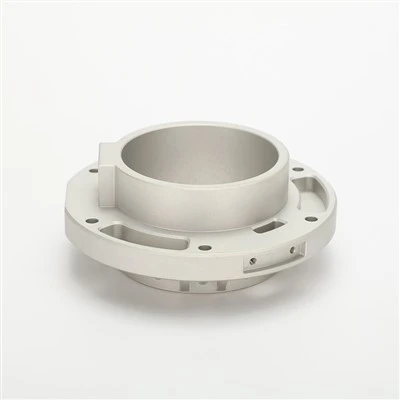
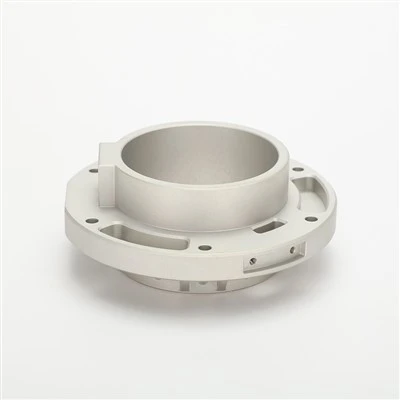
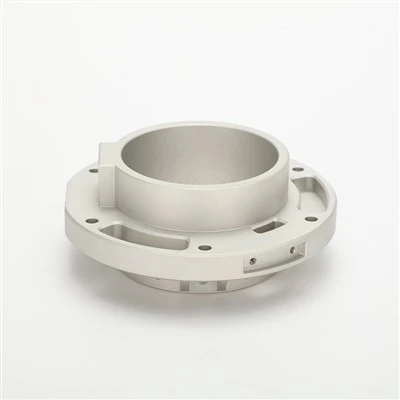
We can now easily reach customers in different countries through online platforms. Our precision - engineered products, such as Brass CNC Turned Parts and Precision CNC Machined Components, are in demand across various industries globally. For instance, the automotive industry in Asia, the aerospace sector in Europe, and the electronics market in North America all require high - quality CNC machined parts. This has allowed us to increase our sales volume and boost our revenue.
Technology Transfer
Globalization has also facilitated the transfer of technology in the CNC machining industry. We're no longer isolated in our own technological bubbles. Through international trade shows, online forums, and partnerships with overseas companies, we've been able to learn about the latest advancements in CNC machining techniques.
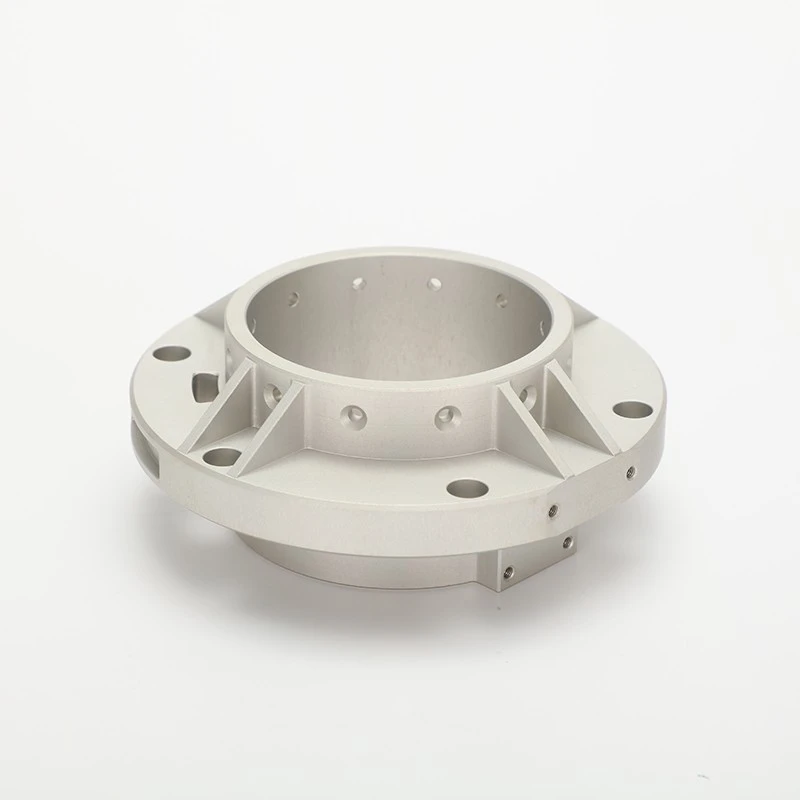
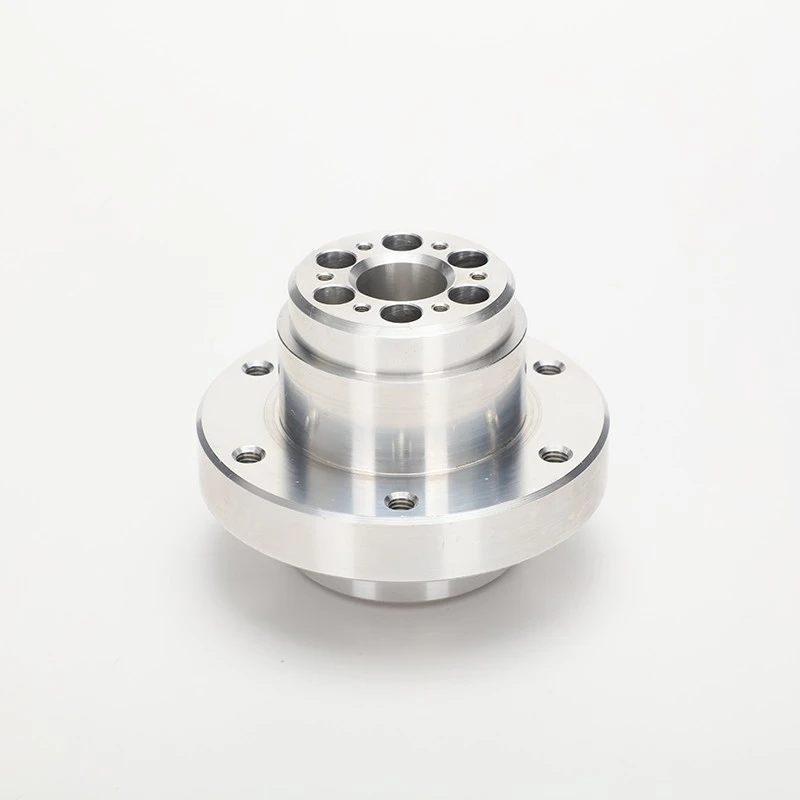
For example, the introduction of 5 Axis CNC Head Attachment technology was a game - changer. We learned about this innovation from a European company at an industry event. This technology allows for more complex and precise machining, enabling us to take on jobs that were previously beyond our capabilities. It has helped us stay competitive in the global market by improving the quality and efficiency of our production.
Supply Chain Optimization
Another advantage that globalization has brought to the CNC machining industry is supply chain optimization. We can source raw materials from the most cost - effective and high - quality suppliers around the world. Instead of relying solely on local suppliers, we can now look at international options.
For example, we were able to find a supplier in South America that offers high - grade metals at a much lower price compared to local sources. This has not only reduced our production costs but also improved the quality of our end products. We're also able to access specialized tools and equipment from different countries, which further enhances our machining capabilities. Our ability to work with Swiss Machined Components is a result of having a well - optimized global supply chain.
Competition Intensification
However, globalization is not all sunshine and rainbows. One of the major challenges it has brought to the CNC machining industry is the intensification of competition. With the global market open to all, we're now competing with thousands of other CNC machining suppliers from around the world.
Some countries have lower labor costs, which allows their suppliers to offer products at a much lower price. This can make it difficult for us to compete on price alone. We've had to focus on our unique selling points, such as our high - quality craftsmanship, quick turnaround times, and excellent customer service. For example, when competing against suppliers for CNC Machined Car Parts, we emphasize our strict quality control measures to win over customers who prioritize reliability and precision.
Regulatory and Cultural Differences
Globalization also means dealing with different regulatory requirements and cultural differences. Each country has its own set of regulations regarding product quality, safety, and environmental standards. We've had to invest a significant amount of time and resources to understand and comply with these regulations.
Cultural differences can also pose challenges in communication and business operations. For example, negotiation styles, business etiquette, and customer expectations vary from one country to another. We've had to adapt our business strategies accordingly to build strong relationships with international customers.
Intellectual Property Concerns
In the globalized CNC machining industry, intellectual property concerns have become more prominent. As we collaborate with partners and suppliers from different countries, there's always a risk of intellectual property theft. Our proprietary machining techniques and designs are valuable assets, and we need to take extra precautions to protect them.
We've implemented strict non - disclosure agreements (NDAs) when working with overseas partners. Additionally, we're constantly monitoring the market to ensure that our products are not being copied or reverse - engineered.
In conclusion, globalization has had a profound impact on the CNC machining industry. It has opened up new markets, facilitated technology transfer, and optimized supply chains. However, it has also brought increased competition, regulatory challenges, and intellectual property concerns. As a CNC machining supplier, we need to adapt to these changes by leveraging the opportunities and addressing the challenges head - on.
If you're in the market for high - quality CNC machined parts, whether it's Brass CNC Turned Parts, Precision CNC Machined Components, or any other specialized products, we'd love to have a chat with you. Reach out to us to discuss your requirements and let's see how we can work together to meet your needs.
References
- "Globalization and the Manufacturing Industry" - Industry Analysis Report
- "Technological Advancements in CNC Machining" - Journal of Manufacturing Technology