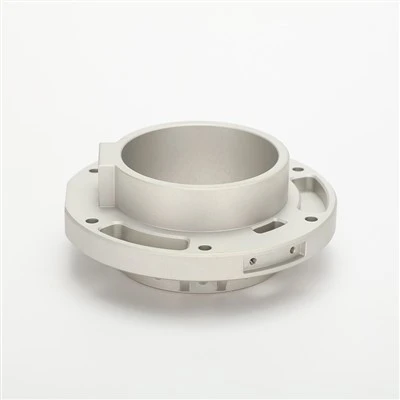
Installing a precision needle valve in a confined space presents unique challenges that demand careful planning and execution. As a leading supplier of Precision Needle Valves, we understand the intricacies involved in this process and are here to guide you through every step.
Understanding the Need for Precision in Confined Spaces
In confined spaces, precision is not just a preference; it's a necessity. The limited room for maneuver means that even the slightest miscalculation can lead to significant issues. Precision needle valves are designed to control the flow of fluids or gases with high accuracy, making them ideal for applications where exact regulation is required. However, installing these valves in confined areas demands a special set of skills and considerations.
Pre-Installation Planning
Before you even begin the installation process, it's crucial to conduct a thorough assessment of the confined space. Take measurements to ensure that the valve will fit properly and that there is enough room to access the necessary components. Consider the proximity of other equipment and structures that may interfere with the installation.
- Gather the Right Tools: Having the correct tools is essential for a successful installation. This may include wrenches, screwdrivers, and other specialized tools depending on the design of the valve. Make sure all tools are in good condition and of the appropriate size.
- Review the Valve Specifications: Familiarize yourself with the specifications of the precision needle valve you are installing. This includes understanding the valve's operating pressure, temperature range, and flow characteristics. Ensure that these specifications are compatible with the requirements of your application.
- Inspect the Valve: Before installation, carefully inspect the valve for any signs of damage or defects. Check the threads, seals, and other critical components to ensure they are in proper working condition.
Preparing the Space
Once you have completed the pre-installation planning, it's time to prepare the confined space for the valve installation.
- Clean the Area: Remove any debris, dirt, or contaminants from the installation area. This will help prevent any foreign particles from entering the valve and causing damage or affecting its performance.
- Mark the Mounting Locations: Use a marker or other suitable tool to mark the exact locations where the valve will be mounted. This will ensure that the valve is installed in the correct position and alignment.
- Create Access Points: If necessary, create additional access points in the confined space to allow for easier installation and maintenance of the valve. This may involve drilling holes or cutting openings in the surrounding structure.
Installing the Precision Needle Valve
Now that the space is prepared, it's time to install the precision needle valve.
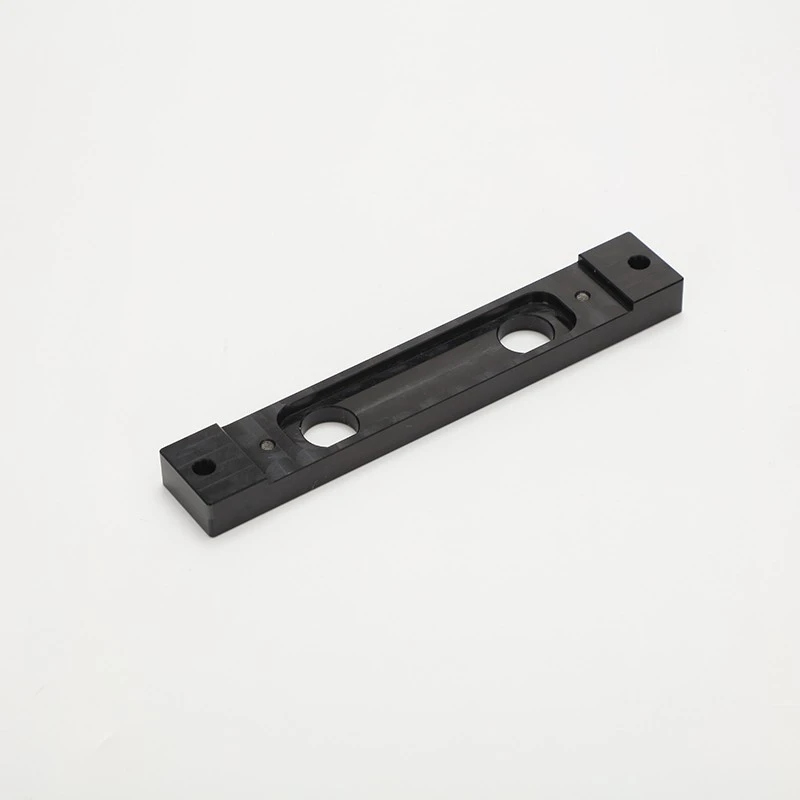
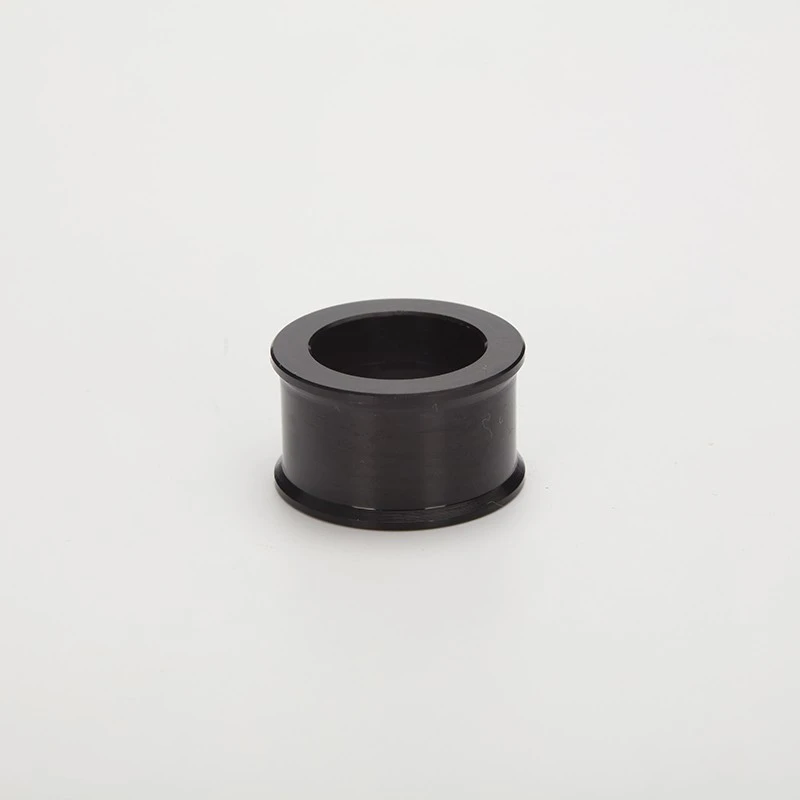
- Attach the Valve Base: Begin by attaching the valve base to the mounting surface using the appropriate fasteners. Ensure that the base is securely fastened and level. You can find a variety of Precision Fasteners suitable for this task.
- Connect the Inlet and Outlet Ports: Carefully connect the inlet and outlet ports of the valve to the corresponding pipes or tubing. Use the appropriate fittings and seals to ensure a leak-free connection.
- Install the Needle and Stem Assembly: Insert the needle and stem assembly into the valve body and secure it in place. Follow the manufacturer's instructions carefully to ensure proper installation.
- Tighten the Adjustment Nut: Once the needle and stem assembly are installed, tighten the adjustment nut to set the initial valve opening. This will allow for fine-tuning of the flow rate later.
Testing and Fine-Tuning
After the valve is installed, it's important to test it to ensure it is functioning properly.
- Apply Pressure and Flow: Gradually apply pressure and flow to the valve to check for any leaks or abnormal operation. Monitor the valve closely and make any necessary adjustments to the flow rate or pressure.
- Fine-Tune the Valve: Use the adjustment nut to fine-tune the valve opening and achieve the desired flow rate. Make small adjustments and check the flow rate after each adjustment until the desired setting is reached.
- Verify the Accuracy: Use a flow meter or other appropriate instrument to verify the accuracy of the valve's flow control. Make any final adjustments as needed to ensure the valve is operating within the specified tolerances.
Troubleshooting and Maintenance
Even with careful installation and testing, issues may still arise with the precision needle valve over time. Here are some common problems and their solutions:
- Leaking: If the valve is leaking, check the seals and connections for any signs of damage or improper installation. Tighten any loose fittings or replace damaged seals as needed.
- Sticking or Jammed Needle: If the needle is sticking or jammed, it may be due to debris or contaminants in the valve. Disassemble the valve and clean the needle and other components thoroughly. Lubricate the moving parts as recommended by the manufacturer.
- Inaccurate Flow Control: If the valve is not providing accurate flow control, check the adjustment nut and ensure it is properly tightened. You may also need to recalibrate the valve using a flow meter or other measuring device.
Regular maintenance is essential to keep the precision needle valve in good working condition. This includes cleaning the valve periodically, inspecting the seals and connections for wear, and lubricating the moving parts as needed.
Why Choose Our Precision Needle Valves
As a trusted supplier of Precision Needle Valves, we offer a wide range of high-quality products that are designed to meet the most demanding applications. Our valves are manufactured using the latest technology and precision machining techniques to ensure superior performance and reliability.
- Precision Engineering: Our valves are engineered to provide precise flow control with tight tolerances, ensuring accurate and consistent operation.
- High-Quality Materials: We use only the highest quality materials in the construction of our valves, including stainless steel, brass, and other corrosion-resistant alloys.
- Customization Options: We offer a variety of customization options to meet the specific needs of our customers. Whether you need a special size, shape, or configuration, we can work with you to develop a solution that meets your requirements.
- Exceptional Customer Service: Our team of experienced professionals is dedicated to providing exceptional customer service. We are committed to helping you find the right valve for your application and providing technical support and guidance throughout the installation and maintenance process.
Contact Us for Your Precision Needle Valve Needs
If you are looking for a reliable supplier of precision needle valves, look no further. We are here to help you with all your valve installation and procurement needs. Whether you are working on a small project or a large-scale industrial application, we have the expertise and products to meet your requirements.
Contact us today to discuss your specific needs and to learn more about our precision needle valves. Our team of experts will be happy to assist you and provide you with a customized solution that fits your budget and timeline.