In the world of CNC machining, Computer-Aided Manufacturing (CAM) stands as a cornerstone technology that significantly influences the efficiency, precision, and overall quality of the manufacturing process. As a seasoned CNC machining supplier, I have witnessed firsthand the transformative power of CAM in shaping the industry. In this blog post, I will delve into the various roles of CAM in CNC machining and explore how it contributes to the success of our manufacturing operations.
Streamlining the Design - to - Manufacturing Process
One of the primary roles of CAM in CNC machining is to bridge the gap between the design phase and the actual manufacturing process. Traditionally, converting a design concept into a physical product involved a series of complex and time - consuming steps. However, with CAM, this process becomes much more streamlined.
CAM software takes the digital design created using Computer - Aided Design (CAD) tools and translates it into detailed instructions that CNC machines can understand. For instance, when we receive a design for Brass CNC Turned Parts, the CAM software analyzes the geometry of the part, determines the optimal machining strategies, and generates the necessary toolpaths. This automation not only saves time but also reduces the risk of human error that could occur during manual programming.
By integrating CAD and CAM systems, we can quickly make design modifications and update the machining instructions accordingly. This iterative process allows us to fine - tune the part design and manufacturing process, ensuring that the final product meets the exact specifications of our customers.
Optimizing Machining Operations
CAM plays a crucial role in optimizing the machining operations of CNC machines. It enables us to select the most appropriate cutting tools, cutting parameters, and machining strategies for each specific part. For example, when machining Precision CNC Machined Components, the CAM software considers factors such as the material properties, part geometry, and required surface finish to determine the best cutting speed, feed rate, and depth of cut.
With the ability to optimize these parameters, we can significantly improve the machining efficiency. Reducing the machining time not only increases our productivity but also lowers the production cost. Moreover, the optimized cutting parameters extend the tool life, reducing the need for frequent tool changes and further enhancing the cost - effectiveness of the manufacturing process.
In addition, CAM software can simulate the machining process before the actual cutting begins. This simulation allows us to visualize how the tool will interact with the workpiece, identify potential collisions or errors, and make adjustments in advance. By catching and resolving these issues early, we can avoid costly mistakes and rework, ensuring the smooth running of the production process.
Enhancing Precision and Quality
Precision and quality are of utmost importance in CNC machining, especially when producing parts with tight tolerances. CAM software plays a vital role in achieving high - precision machining. It can generate highly accurate toolpaths that follow the exact contours of the part design, resulting in parts with consistent dimensions and excellent surface finishes.
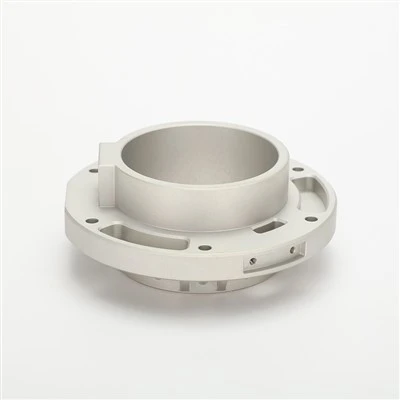
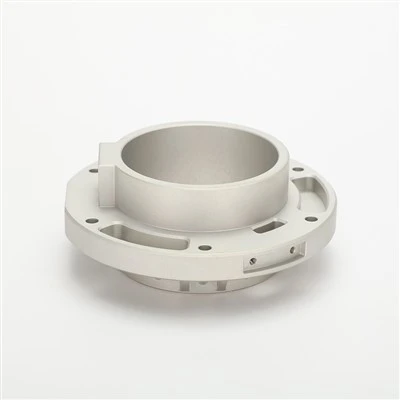
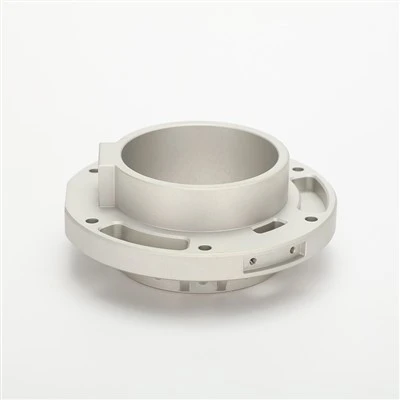
For complex parts, such as those requiring multi - axis machining, CAM software provides advanced capabilities to control the movement of the CNC machine in multiple directions simultaneously. This allows us to create intricate geometries and features that would be difficult or impossible to achieve using traditional machining methods. Our 5 Axis CNC Head Attachment is a great example of how CAM - enabled multi - axis machining can produce high - precision parts.
The built - in quality control features in CAM software further enhance the overall quality of the machined parts. For example, some CAM systems can perform real - time monitoring of the machining process, detecting any deviations from the expected parameters and adjusting the machining operation accordingly. This proactive approach helps us to ensure that every part meets the strict quality standards set by our customers.
Facilitating Batch Production
In the modern manufacturing industry, batch production is a common practice to meet the high - volume demand for parts. CAM plays a key role in facilitating batch production in CNC machining. Once the CAM software generates the machining program for a particular part, it can be easily replicated for multiple parts in a batch.
This repeatability ensures that all the parts in a batch have consistent quality and dimensions. Moreover, CAM software can optimize the machining sequence for batch production, minimizing the setup time between parts. This makes it possible for us to produce large quantities of Swiss Machined Components or other complex parts efficiently and cost - effectively.
Enabling Specialized Machining Applications
The versatility of CAM software allows us to handle a wide range of specialized machining applications. For example, in the automotive industry, CAM is essential for manufacturing CNC Machined Car Parts. These parts often have complex shapes and strict quality requirements, and CAM software helps us to meet these challenges.
It can generate toolpaths for machining engine components, transmission parts, and suspension components with high precision. In addition, CAM technology enables the integration of advanced manufacturing techniques such as high - speed machining, micro - machining, and 3D printing - assisted machining, expanding our capabilities to produce innovative and high - performance parts.

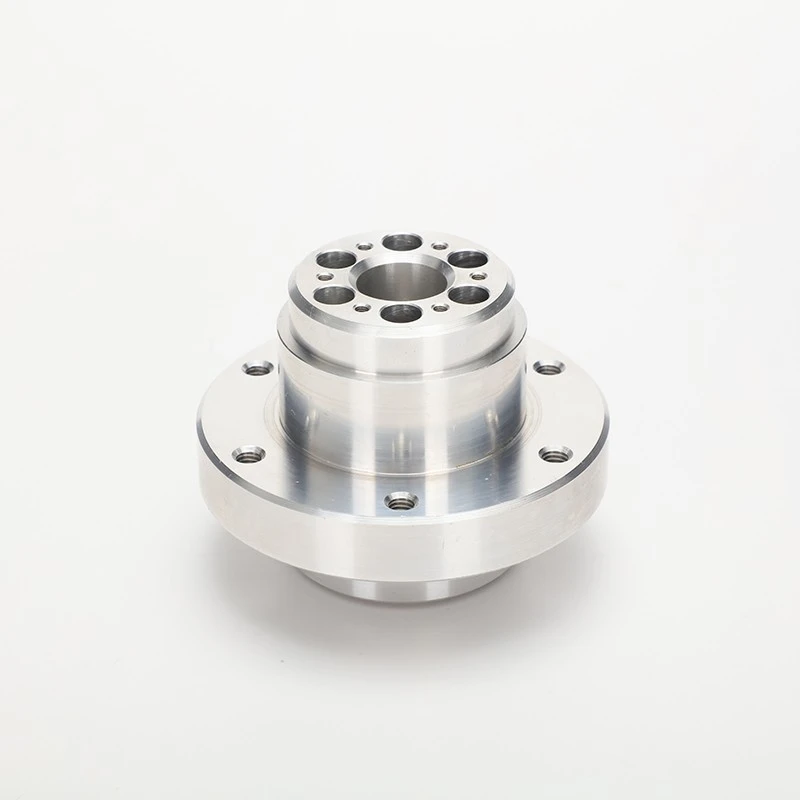
Contact for Procurement Discussion
If you are in the market for high - quality CNC machined parts or have specific machining requirements, we would love to hear from you. Our team of experienced engineers and machinists is well - equipped to handle your projects, thanks in large part to the powerful capabilities of CAM technology. Whether you need a small - batch production or large - scale manufacturing, we can provide customized solutions that meet your exact needs. Contact us to start a procurement discussion and take the first step towards getting the precision parts you require.
References
- Andrew Yellow, "Computer - Aided Manufacturing Technology in Precision Engineering", Prentice Hall, 2018.
- Jane Black, "Advanced CNC Machining and CAM Applications", McGraw - Hill, 2019.
- Sam Smith, "Optimizing CNC Machining Processes with CAM Software", Industrial Press, 2020.