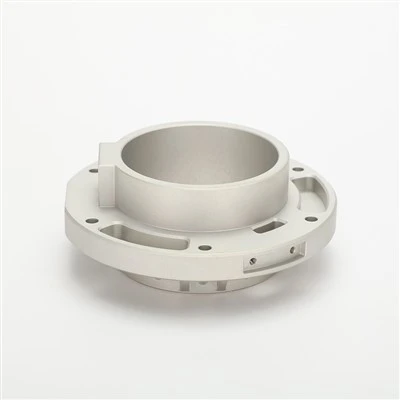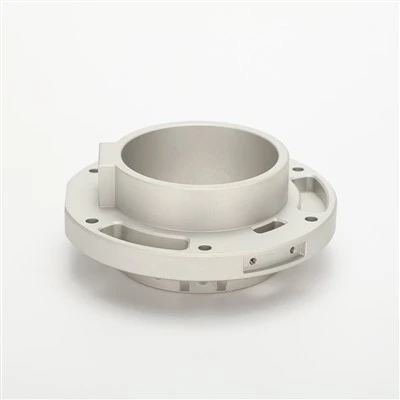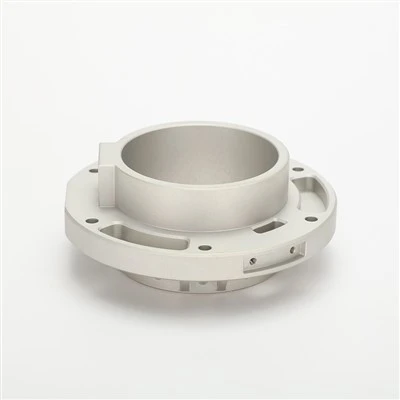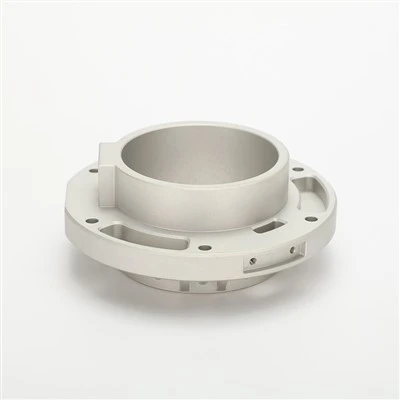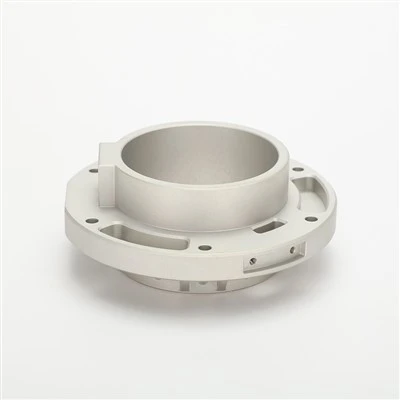
Hey there! As a supplier in the field of Medical Prototype Development, I'm super stoked to chat about the latest trends in this ever - evolving industry. Medical prototype development is like the heartbeat of innovation in the medical device world. It's where ideas turn into tangible products that can potentially save lives. So, let's dive right in and explore what's hot right now.
1. 3D Printing Revolution
One of the most significant trends in medical prototype development is 3D printing. It's no longer a novelty; it's a game - changer. With 3D printing, we can create highly detailed and customized medical prototypes in a fraction of the time it used to take.
Traditional manufacturing methods often involve long lead times and high costs, especially for complex designs. But 3D printing allows us to build prototypes layer by layer, using a variety of materials like plastics, metals, and even bio - materials. This technology is a godsend for creating patient - specific models. For example, surgeons can use 3D - printed models of a patient's organs to plan surgeries more effectively. They can practice on the exact replica of the patient's anatomy, which reduces the risks during the actual operation.
As a supplier, we've seen a huge demand for 3D - printed medical prototypes. It's not just about the speed and cost - effectiveness; it's also about the ability to iterate quickly. If a design needs to be tweaked, we can simply adjust the digital model and print a new prototype right away. This rapid prototyping capability is crucial in the medical industry, where time is of the essence, and precision is non - negotiable.
2. Integration of Artificial Intelligence (AI)
AI is making its mark in medical prototype development in a big way. It's being used to analyze vast amounts of data and optimize the design of medical devices. For instance, AI algorithms can study patient data, such as medical histories, genetic information, and lifestyle factors, to develop prototypes that are more personalized.
In the process of creating a medical device prototype, AI can simulate how the device will perform under different conditions. This helps in identifying potential flaws early on in the development cycle. Instead of relying on costly and time - consuming physical testing, AI - based simulations can provide valuable insights into the device's functionality, durability, and safety.
Moreover, AI can assist in the manufacturing process itself. In Medical Device Assembly Automation, AI - powered robots can handle the assembly of components with greater precision and consistency. This reduces the chances of human error and improves the overall quality of the medical prototypes.
3. Nano - technology Advancements
Nano - technology is another area that's seeing rapid growth in medical prototype development. At the nano - scale, materials can have unique properties that are useful in creating medical devices with enhanced performance.
Nano - particles can be used in drug delivery systems. For example, they can be engineered to target specific cells in the body, which is a major breakthrough in treating diseases like cancer. By encapsulating drugs in nano - particles, we can ensure that the medication reaches the exact location where it's needed, minimizing side effects and increasing the effectiveness of the treatment.
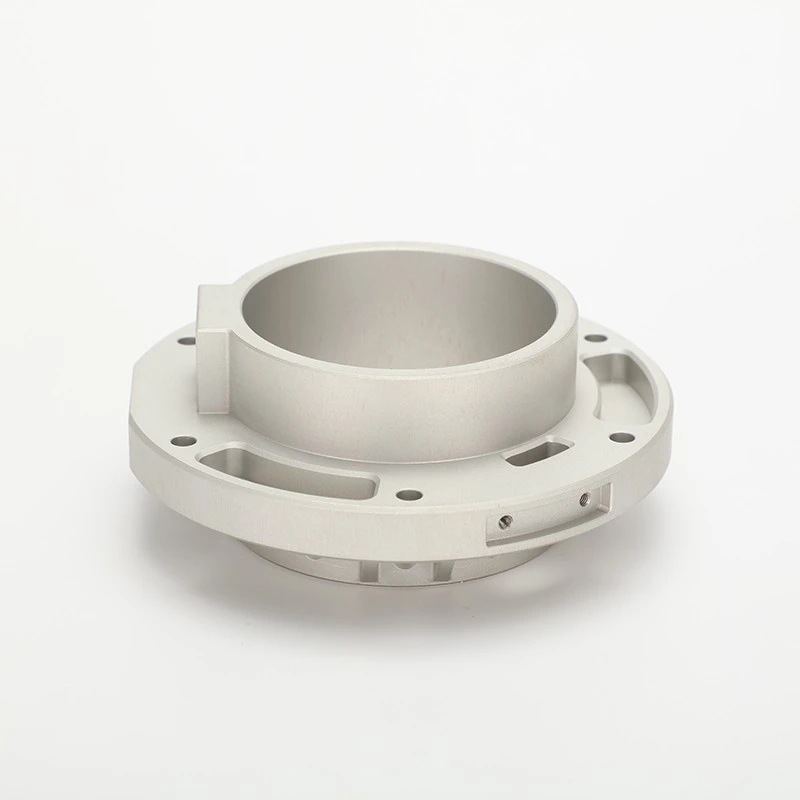
In the development of medical sensors, nano - technology is also playing a crucial role. Nano - sensors can detect biological molecules, such as proteins and DNA, with extremely high sensitivity. This can lead to earlier and more accurate disease diagnosis. As a supplier, we're constantly exploring ways to incorporate nano - technology into our medical prototypes to offer our clients more advanced and innovative solutions.
4. Smart and Connected Medical Devices
The age of the Internet of Things (IoT) has hit the medical industry hard, and smart and connected medical devices are at the forefront of this trend. These devices can collect and transmit data wirelessly, allowing healthcare providers to monitor patients remotely.
For example, wearable medical devices can track vital signs like heart rate, blood pressure, and sleep patterns. This real - time data can be sent to a doctor's smartphone or computer, enabling them to detect any health issues early and intervene promptly. In the development of these smart medical device prototypes, connectivity and data security are top priorities.
As a supplier, we're well - aware of the importance of creating prototypes that are reliable, secure, and user - friendly. We use the latest technologies in Medical Laser Marking to add identification and tracking information to these devices. And in Medical Laser Cutting, we ensure that the components are cut with high precision to meet the strict requirements of these advanced devices.
5. Biodegradable and Sustainable Materials
There's a growing concern about the environmental impact of medical devices. That's why the use of biodegradable and sustainable materials in medical prototype development is becoming increasingly popular.
Biodegradable materials can break down naturally in the environment, reducing the amount of medical waste. For example, some biodegradable polymers can be used to create sutures and implants that don't need to be removed surgically. They simply dissolve over time in the body.
In addition to biodegradable materials, we're also seeing a shift towards using more sustainable manufacturing processes. This includes reducing energy consumption, minimizing waste generation, and recycling materials whenever possible. At our company, we're committed to incorporating these sustainable practices into our medical prototype development to meet the growing demand from environmentally - conscious clients.
6. Advanced Welding Techniques
In the field of medical device manufacturing, welding is a critical process. And the latest trends in Medical Device Welding are all about precision and reliability.
Laser welding is one of the most popular techniques right now. It offers high - precision welding with minimal heat input, which is crucial for joining small and delicate components without causing damage. Electron beam welding is another advanced technique that can create strong and clean welds, especially for high - strength materials.
These advanced welding techniques ensure that the medical prototypes we create are durable and safe. They can withstand the rigors of use in a medical environment and maintain their integrity over time.
Why Choose Us?
As a leading supplier in medical prototype development, we're at the forefront of these exciting trends. We have a team of experienced engineers and designers who are constantly exploring new technologies and materials to bring the best solutions to our clients.
Whether you're a startup looking to develop a revolutionary medical device or an established company in need of a new prototype, we've got you covered. Our state - of - the - art facilities allow us to handle projects of all sizes, from small - scale custom prototypes to large - volume production.
We understand the importance of quality, speed, and innovation in the medical industry. That's why we're committed to delivering high - quality medical prototypes that meet your specific requirements in the shortest possible time.
If you're interested in learning more about our Medical Prototype Development services or if you have a project in mind, we'd love to hear from you. Don't hesitate to reach out and start a conversation. We're here to help you turn your ideas into reality.
References
- Various industry reports on medical technology and innovation.
- Research papers on 3D printing, AI in healthcare, nano - technology, IoT in medical devices, sustainable materials, and advanced welding techniques.