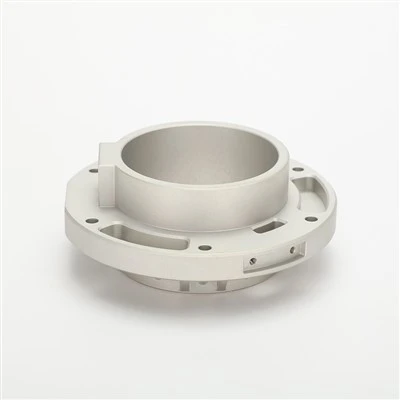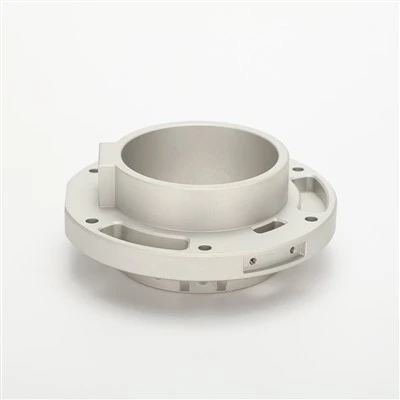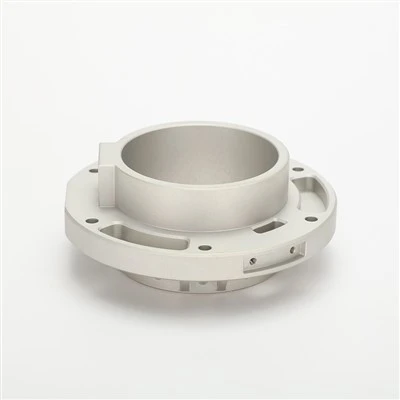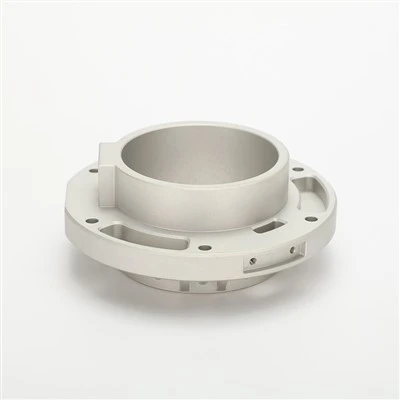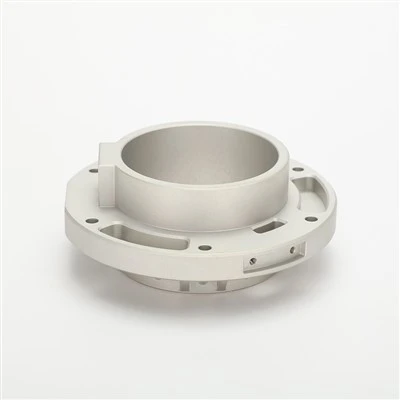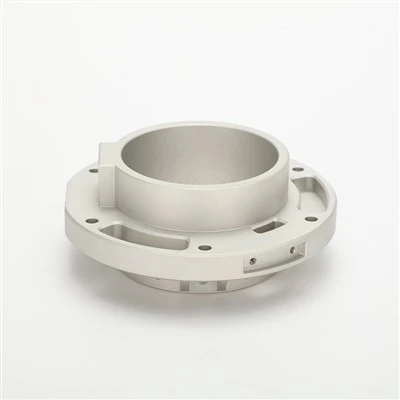
Well, folks, as a supplier in the CNC turning game, I've seen firsthand how crucial surface finish is. It's not just about making a part look good. A great surface finish can improve a part's performance, durability, and even its corrosion resistance. So, what are the factors that affect the surface finish in CNC turning? Let's dive in.
Tool-Related Factors
First off, let's talk about the tools we use. The cutting tool is like the heart of the CNC turning process. If it's not up to par, the surface finish will suffer big time.
Tool Geometry
The geometry of the cutting tool plays a huge role. Things like the rake angle, clearance angle, and nose radius can all impact how the tool interacts with the workpiece. For example, a larger nose radius can result in a smoother surface finish because it reduces the scallop height left behind after each pass. On the other hand, if the rake angle is too large, the tool might chatter, leaving rough marks on the surface. So, choosing the right tool geometry for the job is super important.
Tool Wear
Tool wear is another major factor. As the tool cuts through the material, it gradually wears down. This can lead to a decrease in the quality of the surface finish. A worn-out tool might leave behind uneven marks, burrs, or even cause the material to chip. That's why it's essential to monitor tool wear regularly and replace tools when they start to show signs of excessive wear. For instance, if you notice that the surface finish of your parts is getting worse over time, it might be a sign that the tool needs to be changed.
Workpiece-Related Factors
The workpiece itself can also have a significant impact on the surface finish. Different materials behave differently during the cutting process, and their properties can affect how well the tool can cut through them.
Material Hardness
Harder materials are generally more difficult to machine than softer ones. When turning a hard material, the cutting tool has to work harder, which can lead to more wear and a rougher surface finish. For example, turning hardened steel requires a different approach compared to turning aluminum. You might need to use a different type of tool, adjust the cutting parameters, or even use a coolant to reduce heat and friction.
Material Inhomogeneities
Some materials have internal inhomogeneities, such as variations in hardness or the presence of impurities. These can cause the cutting tool to encounter uneven resistance as it moves through the material, resulting in a poor surface finish. For example, if there are hard spots in a metal workpiece, the tool might chatter or break when it hits them, leaving a rough surface. To deal with this, you might need to perform some pre - machining operations, like annealing or stress relieving, to make the material more consistent.
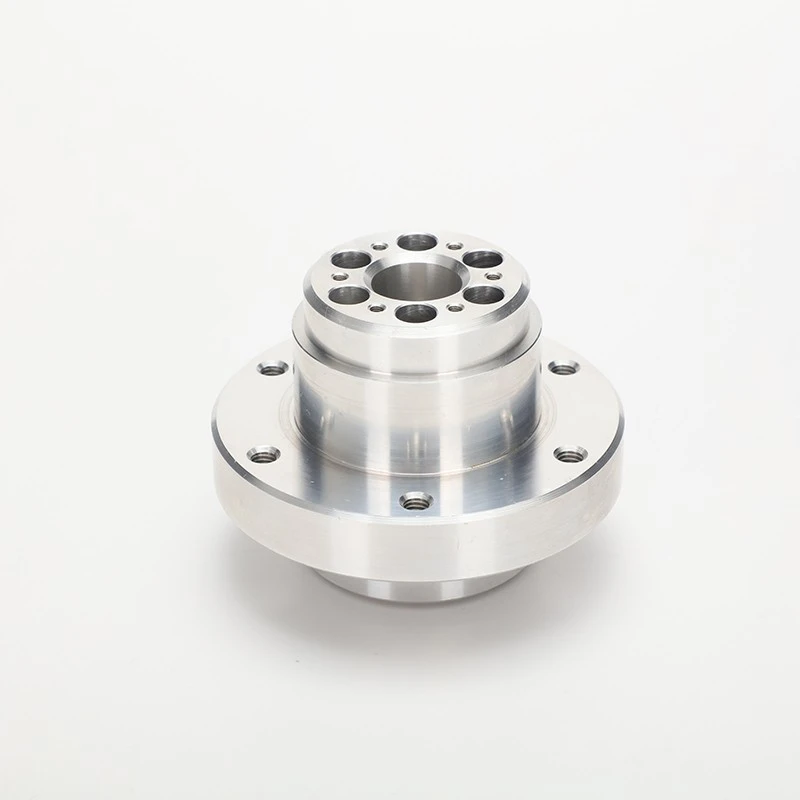
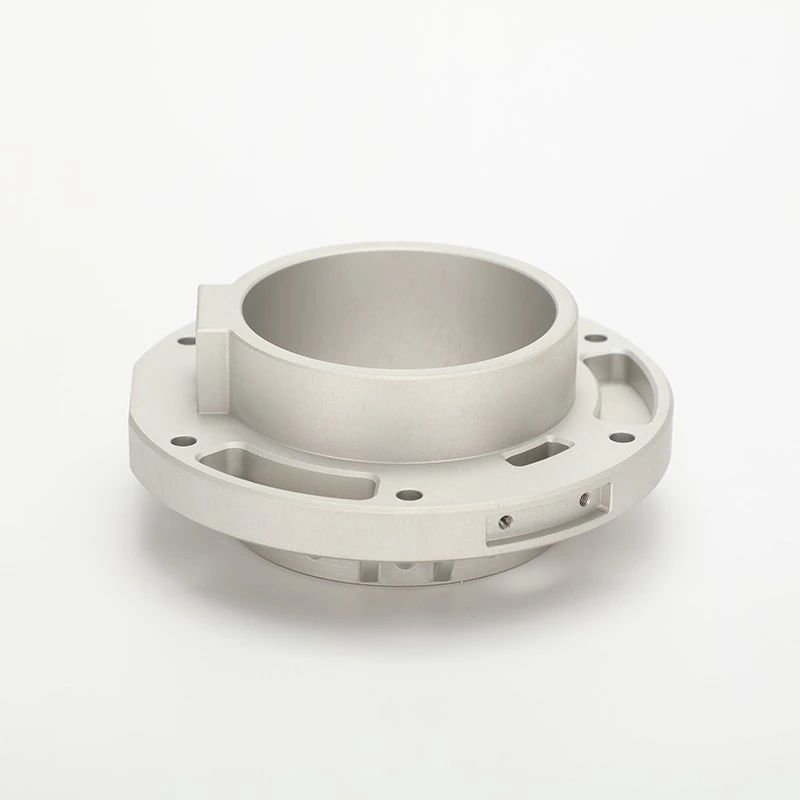
Cutting Parameter - Related Factors
The cutting parameters we choose can make or break the surface finish. There are three main cutting parameters: cutting speed, feed rate, and depth of cut.
Cutting Speed
Cutting speed refers to how fast the cutting tool moves relative to the workpiece. If the cutting speed is too high, the tool can overheat, causing it to wear out quickly and leaving a poor surface finish. On the other hand, if the cutting speed is too low, the tool might not cut efficiently, resulting in a rough surface. Finding the right cutting speed for the material and tool is crucial. For example, when turning brass, you can usually use a higher cutting speed compared to turning stainless steel.
Feed Rate
The feed rate is how fast the tool advances along the workpiece. A high feed rate can increase the productivity of the machining process, but it can also lead to a rougher surface finish. This is because a high feed rate leaves behind larger scallops on the surface. Conversely, a low feed rate can result in a smoother surface finish, but it will also take longer to complete the machining operation. So, you need to find a balance between productivity and surface finish.
Depth of Cut
The depth of cut is the amount of material that the tool removes in a single pass. A large depth of cut can remove more material quickly, but it can also put more stress on the tool and the workpiece, leading to a poorer surface finish. A smaller depth of cut can produce a better surface finish, but it requires more passes to remove the same amount of material. You need to consider the material, the tool, and the desired surface finish when choosing the depth of cut.
Machine - Related Factors
The CNC machine itself can affect the surface finish. A well - maintained machine is crucial for achieving a high - quality surface finish.
Machine Rigidity
The rigidity of the CNC machine is important. If the machine is not rigid enough, it can vibrate during the cutting process, causing the tool to chatter and leaving a rough surface on the workpiece. This is especially true when using high - speed cutting or when machining hard materials. To ensure good machine rigidity, you need to regularly check and maintain the machine's structural components, such as the bed, columns, and spindles.
Spindle Accuracy
The accuracy of the spindle is also key. A misaligned or worn - out spindle can cause the workpiece to rotate unevenly, resulting in a poor surface finish. You should regularly check the spindle's runout and alignment and make any necessary adjustments. Additionally, using high - quality bearings and lubricants can help maintain the spindle's accuracy.
Environmental Factors
Last but not least, the environment in which the CNC turning takes place can affect the surface finish.
Temperature and Humidity
Temperature and humidity can have an impact on the material properties and the performance of the cutting tool. For example, high temperatures can cause the material to expand, which can affect the dimensional accuracy and surface finish of the part. High humidity can also lead to corrosion of the workpiece and the cutting tool, which can deteriorate the surface finish. It's important to control the temperature and humidity in the machining environment to ensure consistent quality.
Coolant and Lubrication
Using the right coolant and lubrication is essential for a good surface finish. Coolants can help reduce heat and friction during the cutting process, which can improve tool life and surface finish. Lubricants can also prevent chip welding to the tool, which can result in a rough surface. You need to choose the appropriate coolant and lubricant for the material and the cutting operation.
In conclusion, achieving a great surface finish in CNC turning is a complex process that involves considering many factors. As a [mention your role in your company] at our CNC turning supply business, we take all these factors into account to deliver high - quality parts. Whether you're looking for Round Steel Tube Connectors, High Precision Turning, CNC Turn Mill Parts, Rough Turning, or 5 Axis Mill Turn, we've got you covered.
If you're in the market for CNC - turned parts and want to discuss your requirements, feel free to reach out. We're always happy to have a chat and see how we can help you with your projects.
References
- Smith, J. (2018). CNC Machining Handbook. Publishing Co.
- Jones, M. (2020). Advanced Cutting Techniques in CNC Turning. Tech Press.
- Brown, R. (2019). Material Science for CNC Machining. Academic Publishers.