Hey there! As a supplier in the aerospace components machining business, I totally get the headache of choosing the right cutting tools. It's like trying to find the perfect pair of shoes for a long - distance run; wrong choice, and you're in for a world of pain.
First off, let's talk about the materials used in aerospace components. These babies are often made from high - strength alloys, composites, and titanium. Each of these materials has its own quirks, so you can't just use one type of cutting tool for all of them.
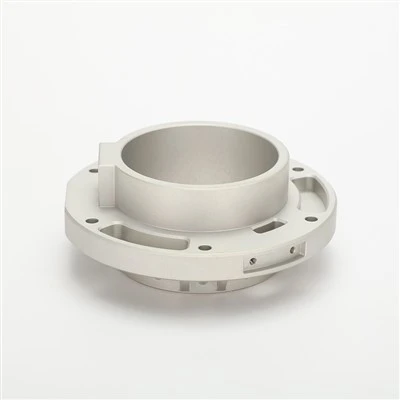
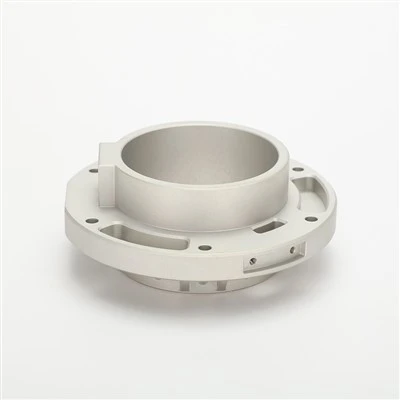
For high - strength alloys, you need cutting tools that are tough as nails. Carbide tools are a great pick here. They've got high hardness and can withstand the high cutting forces when you're machining these alloys. They also have good heat resistance, which is super important because high - strength alloys can generate a ton of heat during machining. If the tool can't handle the heat, it'll wear out real fast. And trust me, replacing worn - out tools all the time is a real money - drainer. You can check out Precision Machining for Semiconductor Equipment to see some real - world applications where tough cutting tools are a must - have.
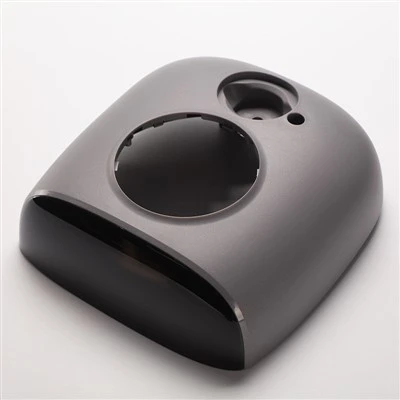
Now, composites are a whole different ballgame. They're made up of multiple materials bonded together, and that can make them tricky to machine. You don't want to use a tool that's too aggressive, or you might end up delaminating the composite layers. Diamond - coated tools are excellent for composites. The diamond coating gives the tool a super - sharp edge, allowing it to cut through the composite without causing too much damage. It's like using a scalpel instead of a sledgehammer. And if you're into Semiconductor CNC Machining, you'll notice that similar precision is required when dealing with composites in the aerospace industry.
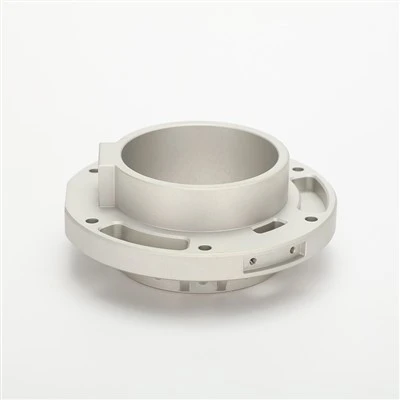
Titanium is another popular material in aerospace. It's strong, lightweight, and corrosion - resistant, but it's also a pain to machine. Titanium has low thermal conductivity, which means heat doesn't dissipate easily during machining. This can lead to high temperatures at the cutting edge, causing the tool to wear quickly. Ceramic cutting tools are a great option for titanium. They can handle the high temperatures and have good chemical stability. This means they won't react with the titanium during machining, which can cause issues like built - up edge. To see how ceramic tools can be used in the real - world scenario of aerospace component machining, have a look at Ultra Precision Machined Aerospace Parts.
Next, we need to think about the cutting tool geometry. The shape and design of the cutting tool can have a huge impact on the machining process. For example, the rake angle affects the cutting force and chip formation. A positive rake angle reduces the cutting force, but it might make the cutting edge weaker. On the other hand, a negative rake angle makes the cutting edge stronger but increases the cutting force. You've got to find the right balance based on the material you're machining and the specific requirements of the aerospace component.
The clearance angle is also important. It prevents the tool from rubbing against the workpiece, which can cause heat generation and poor surface finish. If the clearance angle is too small, the tool will rub, and if it's too big, the cutting edge might become weak.
Another aspect of tool geometry is the number of cutting edges. Tools with multiple cutting edges, like end mills with multiple flutes, can remove material faster. But they also require more power and might not be suitable for all applications. For example, if you're doing fine - detail machining, a single - edged tool might give you more control.
The coating on the cutting tool is also a big deal. Coatings can improve the tool's performance in many ways. For instance, a TiN (Titanium Nitride) coating increases the tool's hardness and wear resistance. It also reduces friction, which helps in reducing heat generation during machining. Some advanced coatings can even self - lubricate, which is a game - changer in high - performance machining.
Now, let's talk about the type of machining operation. Are you doing turning, milling, drilling, or something else? Each operation has its own requirements for cutting tools.
For turning operations, inserts are commonly used. They're easy to replace when they wear out, and you can choose different geometries and coatings based on the material and the desired surface finish. When turning aerospace components, you need to make sure the insert can handle the high - speed and high - feed rates often required in this industry.
Milling operations are a bit more complex. You've got different types of mills, like end mills, face mills, and ball - nose mills. End mills are great for making slots and pockets, while face mills are used for flattening large surfaces. Ball - nose mills are perfect for sculpting and contouring operations. You need to select the right type of mill based on the shape of the aerospace component you're machining. And don't forget about the flute design. Different flute designs are better for different materials and chip evacuation requirements.
Drilling holes in aerospace components is a critical operation. You need to ensure the holes are accurate and have a good surface finish. Drill bits with special coatings and geometries are used for this purpose. For example, some drill bits have a split point design, which helps in centering the drill and reduces the thrust force required for drilling.
When it comes to choosing the right cutting tools, you also need to consider the machine tool you're using. The spindle speed, power, and rigidity of the machine tool can all affect the performance of the cutting tool. You've got to make sure the cutting tool is compatible with your machine tool. If your machine tool can't handle the high - speed requirements of a particular cutting tool, you're going to run into problems.
In the aerospace industry, precision is everything. That's why you should also pay attention to the accuracy of the cutting tools. Tools with high precision can help you achieve the tight tolerances required for aerospace components. For example, Precision Hydraulic Valves need to be machined with extremely high precision, and the right cutting tools are essential for this.
So, how do you go about actually selecting the right cutting tools? Well, it's a good idea to work closely with your tool suppliers. They've got the expertise and can provide you with valuable advice based on your specific requirements. You can also do some testing with different cutting tools on sample workpieces to see which ones perform the best.
In conclusion, choosing the right cutting tools for aerospace components machining is no easy task. You need to consider the materials, cutting tool geometry, coatings, machining operations, machine tool compatibility, and precision requirements. But with the right approach and a bit of experimentation, you can find the perfect cutting tools that will help you produce high - quality aerospace components.
If you're in the market for aerospace components machining services and want to discuss the best cutting tools for your project, don't hesitate to reach out. We're here to help you make the right choices and get the job done right.
References
- "Machining of Aerospace Materials" by John Doe
- "Cutting Tool Technology for Precision Machining" by Jane Smith