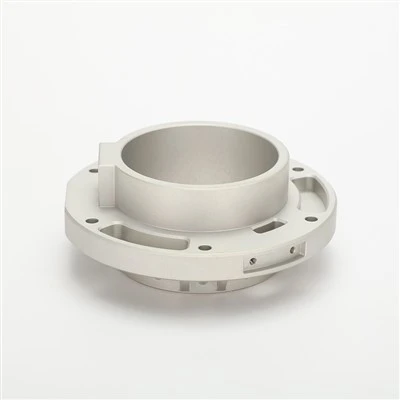
In the highly competitive landscape of precision metal parts manufacturing, enhancing production efficiency is not just a goal but a necessity for survival and growth. As a seasoned supplier of precision metal parts, I have witnessed firsthand the transformative power of efficiency improvements in our operations. In this blog, I will share some practical strategies and insights that we have implemented to boost the production efficiency of precision metal parts.
Optimize the Production Process
The first step in improving production efficiency is to optimize the production process. This involves analyzing every step of the manufacturing process, from raw material procurement to the final product inspection, to identify bottlenecks and inefficiencies. By streamlining the process, we can reduce waste, minimize downtime, and increase throughput.


One effective way to optimize the production process is to implement lean manufacturing principles. Lean manufacturing focuses on eliminating waste and non - value - added activities in the production process. For example, we can use the 5S methodology (Sort, Set in order, Shine, Standardize, Sustain) to organize the workspace, reducing the time spent searching for tools and materials. Additionally, implementing a just - in - time (JIT) inventory system can help us reduce inventory costs and improve cash flow by ensuring that we only order and receive materials as they are needed in the production process.
Another aspect of process optimization is to invest in advanced manufacturing technologies. For instance, computer numerical control (CNC) machining has revolutionized the precision metal parts manufacturing industry. CNC machines offer high precision, repeatability, and flexibility, allowing us to produce complex parts with greater efficiency. Our company offers Semiconductor CNC Machining, which utilizes state - of - the - art CNC technology to meet the strict requirements of the semiconductor industry.
Upgrade Equipment and Tools
Outdated equipment and tools can significantly hamper production efficiency. Regularly upgrading our machinery and tools is crucial for maintaining a competitive edge in the market. Newer equipment often comes with advanced features such as higher precision, faster processing speeds, and better automation capabilities.
For example, investing in high - speed machining centers can reduce the machining time of parts. These machines are designed to operate at much higher spindle speeds and feed rates than traditional machining centers, allowing us to produce parts more quickly. Moreover, advanced cutting tools with better wear resistance and cutting performance can also improve the machining efficiency and quality of precision metal parts.
We also offer Precision Hydraulic Valves and Brass CNC Turned Parts, which are manufactured using the latest equipment and tools to ensure high precision and quality.
Train and Empower Employees
Employees are the most valuable asset in any manufacturing company. Well - trained and motivated employees can significantly contribute to improving production efficiency. Providing regular training programs for our workers is essential to keep them updated with the latest manufacturing techniques, equipment operation, and quality control methods.
In addition to technical training, we should also focus on developing soft skills such as problem - solving, teamwork, and communication. Empowering employees to make decisions and take ownership of their work can boost their morale and productivity. For example, we can implement a suggestion system where employees can submit ideas for process improvements. By rewarding employees for their contributions, we can create a culture of continuous improvement within the company.
Improve Quality Control
Quality control is an integral part of the production process. Ensuring high - quality products from the start can prevent rework, scrap, and customer complaints, all of which can waste time and resources. Implementing a comprehensive quality control system can help us detect and correct quality issues early in the production process.
We can use advanced inspection equipment such as coordinate measuring machines (CMMs) to accurately measure the dimensions and geometries of precision metal parts. Statistical process control (SPC) techniques can also be used to monitor the production process and identify trends or variations that may indicate potential quality problems. Our company offers High Precision Machined Parts, which undergo strict quality control procedures to meet the highest industry standards.
Strengthen Supply Chain Management
A well - managed supply chain is essential for ensuring a smooth production process. Establishing strong partnerships with reliable suppliers can help us secure a stable supply of high - quality raw materials at competitive prices. We should also communicate closely with our suppliers to ensure timely delivery and address any potential issues promptly.
In addition, we can use supply chain management software to track inventory levels, monitor supplier performance, and optimize procurement processes. By having real - time visibility into the supply chain, we can make informed decisions and respond quickly to changes in demand or supply. Our products are also widely used in Automotive Manufacturing Machinery, and a reliable supply chain is crucial for meeting the production needs of the automotive industry.
Conclusion
Improving the production efficiency of precision metal parts requires a holistic approach that encompasses process optimization, equipment upgrade, employee training, quality control, and supply chain management. By implementing these strategies, we can not only increase our productivity and competitiveness but also provide better value to our customers.
If you are in the market for high - quality precision metal parts and are interested in exploring how we can meet your specific needs, we invite you to contact us for a detailed discussion. We look forward to collaborating with you to drive your business forward with our expertise in precision metal parts manufacturing.
References
- Womack, J. P., & Jones, D. T. (1996). Lean Thinking: Banish Waste and Create Wealth in Your Corporation. Simon & Schuster.
- Schuh, G., & Findeisen, M. (2017). Cyber - Physical Production Systems: A Systematic Approach for Small and Medium - Sized Enterprises. Springer.
- Montgomery, D. C. (2017). Introduction to Statistical Quality Control. Wiley.