In today's global market, plastic products have become an integral part of various industries, from fast food packaging to automotive and electronics. As a plastic products supplier, I've witnessed firsthand the importance of effective plastic product management. This blog post will explore the best practices for plastic product management, drawing on my experiences and industry knowledge.
1. Understanding the Market Demand
The first step in plastic product management is to understand the market demand. This involves conducting thorough market research to identify trends, customer needs, and potential opportunities. For example, the demand for Plastic Fast Food Cups has been steadily increasing due to the growth of the fast food industry. By staying informed about such trends, we can align our production and product development strategies to meet market demand effectively.
Market research can be conducted through various methods, including surveys, interviews, and analysis of industry reports. It's essential to consider both short - term and long - term trends. Short - term trends, such as seasonal demands or temporary consumer preferences, can help us adjust our inventory levels and production schedules. Long - term trends, on the other hand, guide our product development and investment decisions. For instance, the growing concern for environmental sustainability has led to an increased demand for eco - friendly plastic products. As a supplier, we need to invest in research and development to create these sustainable alternatives.
2. Design and Development Process
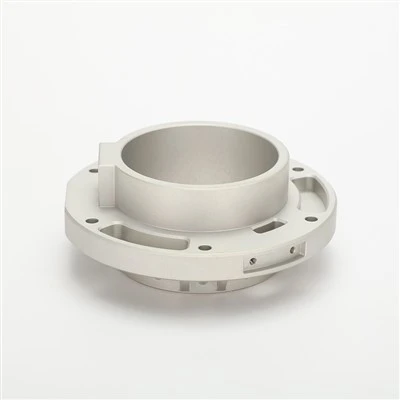
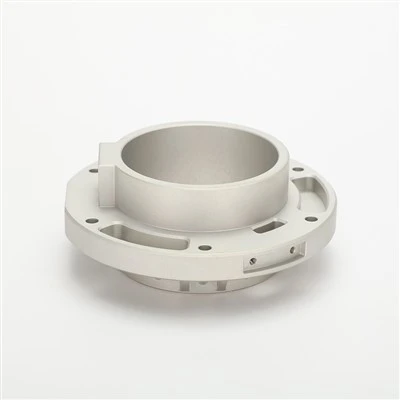
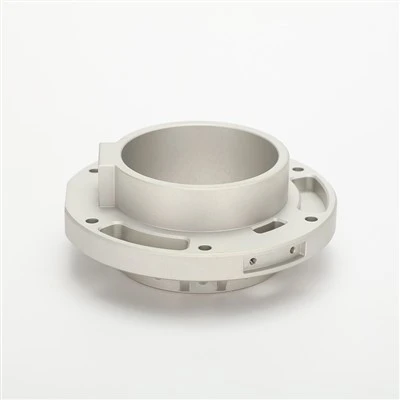
Once we have a clear understanding of the market demand, the next step is the design and development of plastic products. This process requires a balance between functionality, aesthetics, and cost - effectiveness. In the case of Automotive Wheel Lathe parts, the design must ensure high precision and durability to meet the rigorous requirements of the automotive industry.
We should involve a cross - functional team in the design process, including engineers, designers, and quality control experts. The engineers can provide technical expertise to ensure that the product can be manufactured efficiently, while the designers can focus on the product's appearance and user experience. Quality control experts can help identify potential issues early in the design stage, reducing the likelihood of costly rework later.
Prototyping is also a crucial part of the design and development process. By creating prototypes, we can test the product's functionality, fit, and finish. This allows us to make necessary adjustments before mass production, saving time and resources. Additionally, prototypes can be used to showcase the product to potential customers, gathering feedback and generating interest.
3. Material Selection
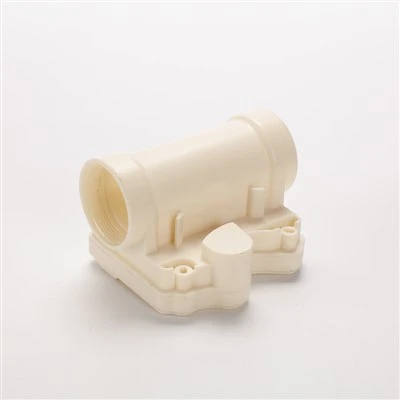
The choice of plastic material has a significant impact on the quality, performance, and cost of the final product. Different plastic materials have different properties, such as strength, flexibility, heat resistance, and chemical resistance. For Household Injection Moulding Products, we need to select materials that are safe, durable, and easy to clean.
When selecting materials, we should consider factors such as the product's intended use, environmental conditions, and cost. We also need to ensure that the materials comply with relevant industry standards and regulations. For example, in the food packaging industry, plastic materials must meet strict safety standards to ensure that they do not contaminate the food.
In addition, we should explore the use of recycled or biodegradable plastics to reduce our environmental impact. With the increasing awareness of environmental issues, many customers prefer products made from sustainable materials. By offering these options, we can not only meet customer demand but also contribute to a more sustainable future.
4. Production Planning and Scheduling
Efficient production planning and scheduling are essential for ensuring timely delivery of high - quality plastic products. This involves determining the optimal production volume, production process, and production sequence. For High Volume Injection Molding, we need to carefully plan the production process to ensure high efficiency and low cost.
We should use production planning tools to optimize our production schedules. These tools can help us balance the workload, allocate resources effectively, and minimize production downtime. Additionally, we should establish a reliable supply chain to ensure the timely availability of raw materials. This may involve working closely with suppliers, negotiating favorable contracts, and maintaining safety stock levels.
Quality control is also a critical aspect of production planning. We should implement strict quality control measures at every stage of the production process, from raw material inspection to finished product testing. By ensuring high - quality products, we can build a good reputation in the market and attract more customers.
5. Inventory Management
Proper inventory management is crucial for reducing costs and improving customer service. As a plastic products supplier, we need to maintain an appropriate level of inventory to meet customer demand without overstocking. This requires an accurate forecasting of customer demand, which can be achieved through historical sales data analysis and market research.
We should use inventory management software to track our inventory levels in real - time. This allows us to monitor stock movements, identify slow - moving items, and make informed decisions about replenishment. Additionally, we can implement inventory control techniques such as the Economic Order Quantity (EOQ) model to determine the optimal order quantity.
It's also important to manage inventory turnover. High inventory turnover indicates that our products are selling quickly, reducing the risk of inventory obsolescence. By continuously evaluating our inventory levels and adjusting our production and procurement strategies accordingly, we can improve our overall operational efficiency.
6. Customer Relationship Management
Building and maintaining good customer relationships is essential for the success of our plastic products business. We should focus on providing excellent customer service, from pre - sales support to after - sales service. This includes responding promptly to customer inquiries, providing product information, and resolving customer complaints in a timely manner.
We can also use customer relationship management (CRM) software to manage our interactions with customers. This software can help us track customer preferences, purchase history, and feedback, allowing us to provide personalized services and targeted marketing campaigns. By understanding our customers' needs and preferences, we can develop products and services that meet their expectations, increasing customer satisfaction and loyalty.
In addition, we should encourage customer feedback and use it to improve our products and services. Regular surveys and reviews can provide valuable insights into customer satisfaction and areas for improvement. By acting on this feedback, we can continuously enhance our offerings and strengthen our competitive position in the market.
7. Sustainability and Environmental Considerations
In recent years, sustainability has become a major concern in the plastic products industry. As a responsible supplier, we need to take steps to reduce our environmental impact throughout the product lifecycle. This includes using recycled materials, reducing waste generation, and implementing energy - efficient production processes.
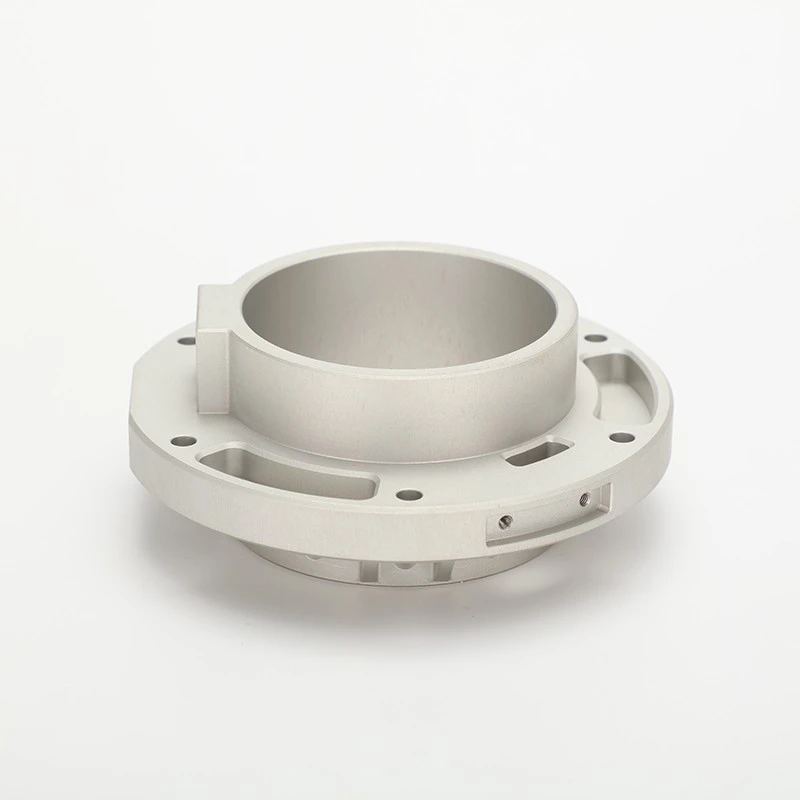
For example, in the production of Electric Motor Heat Sink, we can explore the use of recycled plastics to reduce the consumption of virgin materials. We can also optimize our production processes to reduce energy consumption and waste generation. Additionally, we should ensure that our products are recyclable or biodegradable at the end of their life cycle.
By promoting sustainability, we can not only meet the expectations of environmentally conscious customers but also contribute to a more sustainable planet. Moreover, sustainable practices can also lead to cost savings in the long run, such as reduced raw material costs and energy expenses.
Conclusion
Effective plastic product management is a complex and multifaceted process that requires careful planning, execution, and continuous improvement. By understanding the market demand, focusing on design and development, selecting the right materials, managing production and inventory efficiently, building strong customer relationships, and considering sustainability, we can ensure the success of our plastic products business.
If you're interested in purchasing high - quality plastic products, we invite you to contact us for further discussion. We are committed to providing the best products and services to meet your needs.
References
- Kotler, P., & Armstrong, G. (2010). Principles of Marketing. Pearson Prentice Hall.
- Chase, R. B., Jacobs, F. R., & Aquilano, N. J. (2006). Operations Management. McGraw - Hill.
- Plastics Industry Association. (2023). Annual Report on the Plastics Industry.