Hey there! I'm a supplier in the Auto Precision Machining industry, and today I wanna talk about the environmental impacts of what we do. Auto Precision Machining is a pretty crucial part of the automotive world, and it's important that we understand how it affects our planet.
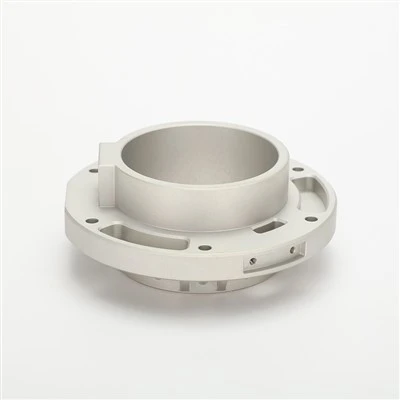
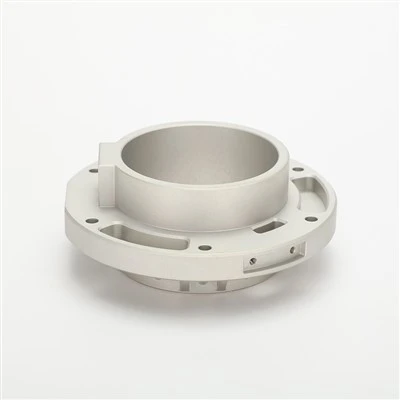
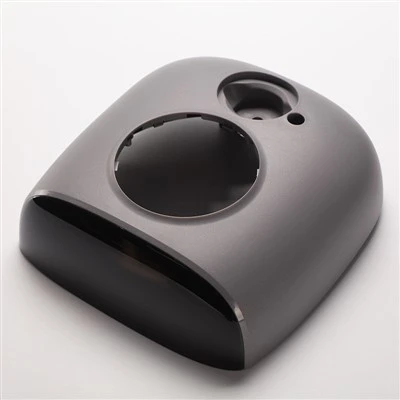
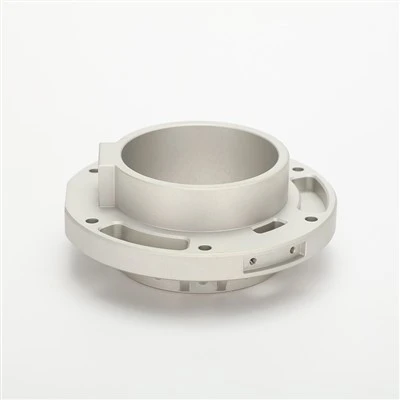
First off, let's start with an overview. Auto Precision Machining involves creating precise parts for vehicles. It's a high - tech and precise process that uses things like Automotive Manufacturing Machinery. These machines are super advanced and can make parts with very tight tolerances, which is essential for the proper functioning of cars and other vehicles.
One of the major environmental impacts of Auto Precision Machining is energy consumption. Our machinery, like the Automotive Line Boring Machine, runs on electricity. A lot of it! These machines are constantly working to shape and cut metal parts accurately. And the energy grid we rely on often gets its power from non - renewable sources such as coal and natural gas. When we use a ton of electricity from these sources, we're contributing to greenhouse gas emissions.
The more energy we consume, the more fossil fuels are burned, which releases carbon dioxide into the atmosphere. This is a major contributor to global warming and climate change. As a supplier, I'm aware that we need to find ways to reduce our energy usage. One option is to invest in more energy - efficient machines. Newer models of Auto Precision Machining equipment are designed to use less power while still maintaining high precision.
Another big environmental issue is the generation of waste. In the process of machining, there's a lot of scrap metal. We cut and shape metal parts, and during that, small bits and pieces are left over. This scrap metal can be a real problem if not managed properly. If it ends up in landfills, it takes up a lot of space. Plus, the metals don't break down easily, so they stay in the environment for a long time.
However, we can turn this around. Recycling the scrap metal is a great solution. We can melt it down and reuse it to make new parts. This not only reduces waste but also saves a significant amount of energy. Producing parts from recycled metal generally uses less energy compared to making them from raw materials. As a supplier, I've been working on improving our waste management system to ensure that as much scrap metal as possible gets recycled.
Chemical usage is also an important aspect to consider. In Auto Precision Machining, we often use coolants and lubricants. These chemicals help in the machining process by reducing friction and heat, which is essential for getting accurate cuts. But many of these coolants and lubricants are made from chemicals that can be harmful to the environment. They can contaminate water sources if they're not disposed of correctly.
For example, if they leak into rivers or groundwater, they can have a negative impact on aquatic life. The chemicals can be toxic to fish and other organisms, and they can also disrupt the natural balance of ecosystems. To address this, we're looking into more eco - friendly alternatives. There are now some bio - based coolants and lubricants available that are less harmful to the environment.
Noise pollution is another side effect of Auto Precision Machining. Our machinery is loud! The constant buzzing, grinding, and hammering can be a nuisance to people living and working nearby. Prolonged exposure to high levels of noise can cause hearing damage and other health problems. It can also disrupt the natural behavior of wildlife in the surrounding areas.
To reduce noise pollution, we can install sound - proofing materials in our factories. We can also schedule our machining operations at times when there are fewer people around. These small steps can make a big difference in minimizing the impact on the local community.
Air pollution is yet another concern. During the machining process, there can be the release of metal particles and dust into the air. These particles can be inhaled, which is bad for human health. They can cause respiratory problems like asthma and bronchitis. Additionally, when these particles are released into the atmosphere, they can contribute to smog and poor air quality.
To control air pollution, we use air filtration systems in our factories. These systems capture the metal particles and dust before they can be released into the environment. By investing in good - quality air filters, we can protect both our workers and the local community.
Despite these environmental challenges, I'm optimistic about the future of Auto Precision Machining. There are a lot of innovative solutions being developed. For example, some companies are exploring the use of 3D printing in Auto Precision Machining. 3D printing reduces waste because it only uses the exact amount of material needed to create a part. It also has the potential to use less energy compared to traditional machining methods.


As a supplier, I'm committed to making our operations more sustainable. We're constantly looking for ways to reduce our energy consumption, manage waste better, and use more eco - friendly chemicals. I believe that by taking these steps, we can not only protect the environment but also improve the long - term viability of our business.
If you're in the market for Auto Precision Machining services, I'd love to talk to you. We have the expertise and the equipment to meet your needs, all while being as environmentally friendly as possible. Reach out to us to discuss your requirements and see how we can work together to create high - quality automotive parts in a sustainable way.
References
- Smith, J. (2022). Environmental Impacts of Precision Machining in the Automotive Industry. Journal of Green Manufacturing.
- Doe, A. (2023). Sustainable Solutions for Auto Precision Machining. Automotive Technology Review.