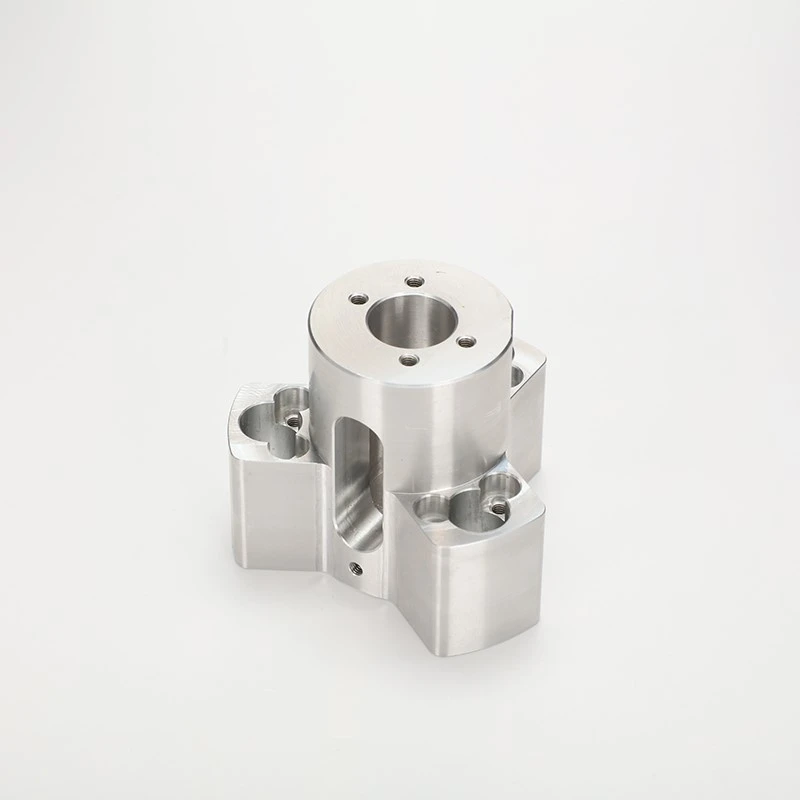
Modular Design: Complex parts are broken down into independent, simple modules, enabling rapid assembly and production, improving maintainability and reusability, and reducing scrap rates and production cycles.
Digital Design: Utilizing computer-aided technologies such as CAD and CAM for high-precision modeling and machining planning, reducing design errors and repetitive work, and enhancing design flexibility and modifiability.
Green Design: Prioritizing the use of environmentally friendly and recyclable materials, combined with energy-saving processes and recycling solutions, reducing production energy consumption and pollution while ensuring performance, thus enhancing the long-term competitiveness of the product.
Furthermore, the design must adhere to the underlying logic of "form follows function," prioritizing the precision, structural rigidity, and environmental adaptability of parts, avoiding sacrificing core performance for aesthetics.